
Review · NEW ZEALAND
Canterbury: Mount Aorak/Cook Sightseeing Helicopter Flight
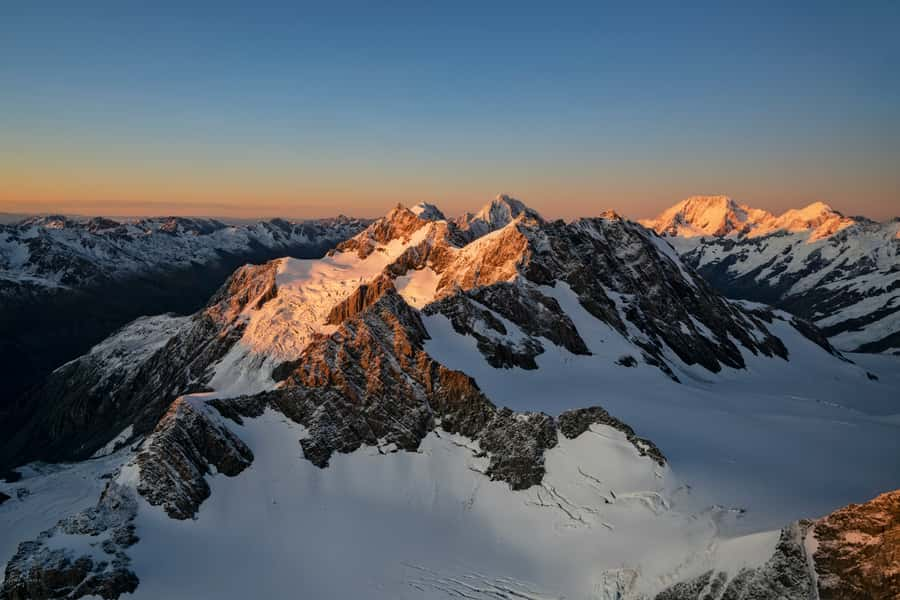
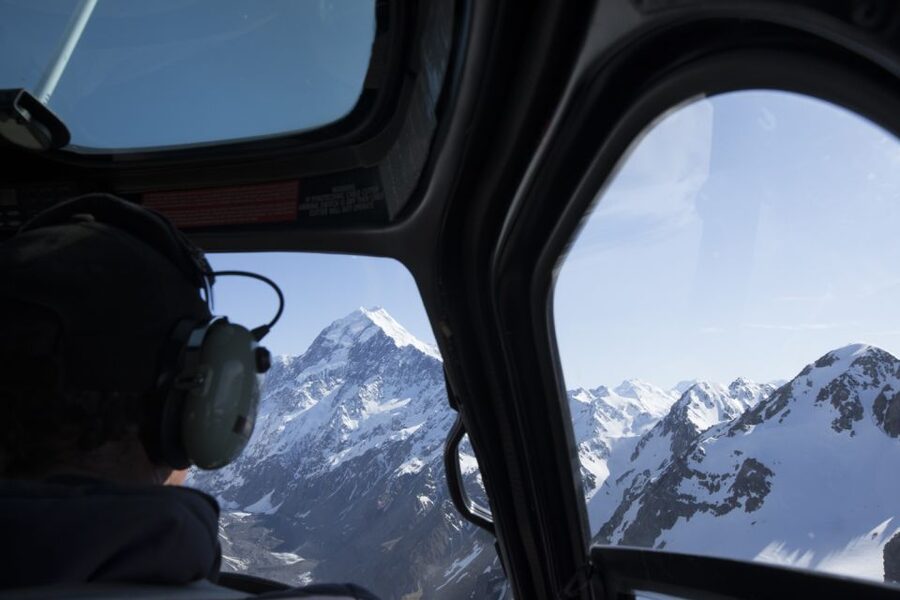
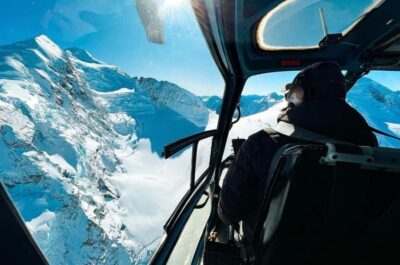
The finest part of this 30-minute helicopter flight is the chance to see Aoraki/Mount Cook from above, then touch down in an alpine setting where the air feels crisp and the Southern Alps stretch around you. You also fly over Tasman Terminal Lake, where icebergs add a striking detail to the view.
I like the compact format and the alpine landing. You get a genuine mountain outing without giving up half a day, and the pilot’s commentary helps turn a quick flight into a more meaningful look at Aoraki/Mount Cook National Park. The main caution is weather: cloud cover can cancel or shift your flight, and commentary may be hard to hear through the headset at times.
Key points to know
- Aoraki/Mount Cook from the air: See New Zealand’s highest peak from a viewpoint that is impossible to reach by road.
- Tasman Terminal Lake: Look down on icebergs floating in the lake before returning to Mount Cook Airport.
- Alpine landing included: You leave the helicopter briefly to enjoy mountain air and take photographs.
- 30 minutes, shared flight: The short duration suits a tight itinerary, but the flight will pass quickly.
- Weather controls the schedule: Morning cloud caused one flight to be cancelled, while an afternoon departure later operated successfully.
- Southern Lakes Helicopters: Check in at Mount Cook Airport for the safety briefing and flight.
Why the Southern Alps look different from a helicopter
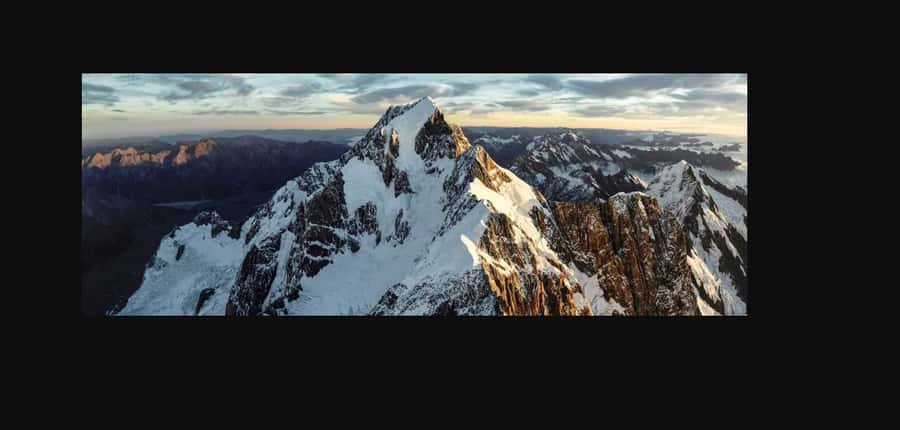
Aoraki/Mount Cook National Park is difficult to grasp from ground level. You can walk toward the mountains, but nearby ridges and valleys often block the wider view. From a helicopter, the scale becomes clear in a matter of minutes.
The flight gives you a high view of Aoraki/Mount Cook, New Zealand’s highest mountain, along with snowy peaks and the broad ice country around it. You are not simply looking at one famous summit. You are seeing how the mountain sits within the Southern Alps and how glaciers, lakes, and ridgelines connect.
That wider view is the real reason to consider the flight. A road trip can bring you close to the national park, and a hike can give you a slower appreciation of it. The helicopter adds height, distance, and access to places you cannot reach on foot during a short visit.
The price is $230 per person. That is not a casual add-on, but it is reasonable if you want an aerial view and an alpine landing in one short outing. You are paying for the aircraft, pilot, safety procedures, and access to a remote setting, not just a ride above the airport.
More Sightseeing Flights around New Zealand:
- NYC: Manhattan Sightseeing Helicopter Tour
★ 4.8 · 5,826 reviews - Dubai: Sightseeing Helicopter Ride from The Palm
★ 4.7 · 5,109 reviews - NY Helicopter Tour: Ultimate NYC Sightseeing (Heliport fees Incl)
★ 4.5 · 1,110 reviews
Checking in at Mount Cook Airport
You meet Southern Lakes Helicopters at Mount Cook Airport, rather than receiving hotel pickup. Plan your route to the airport yourself and allow enough time for check-in and the safety briefing.
The briefing is short but important. It covers how to board, how to behave around the aircraft, and what to expect during the flight. A helicopter is a compact machine with working rotors, so follow the crew’s instructions closely and do not wander near the aircraft on your own.
This is a shared flight, which helps keep the price below that of a private charter. If you want the helicopter to yourself, tell the provider when booking. The provider can then confirm the extra cost. Do not assume a private flight will be available at the same price or on the same schedule.
The aircraft is described as well maintained, and the flight includes a full safety briefing. That basic preparation matters more than flashy presentation. You want a pilot who keeps the operation orderly, especially when weather conditions are changing.
The takeoff toward Aoraki/Mount Cook
Once everyone is seated, the helicopter lifts from Mount Cook Airport and heads toward the Southern Alps. The first moments give you a quick change from airport ground to open mountain views.
Your pilot provides live commentary in English during the flight. This is useful because the view changes quickly. A named peak can otherwise become just another snowy ridge, while a lake or glacier can be difficult to identify from above.
Simon is one pilot associated with this flight, and a past flight with him was praised for its handling and explanation of the route. Pilot assignments can change, so you should not book on the assumption that Simon will operate your departure. The important point is that the commentary is part of the flight, not a separate guide service.
Headsets are used inside the helicopter. One passenger found the headset somewhat noisy and had trouble hearing the introduction, so keep that possibility in mind. If you miss a sentence, do not let it spoil the trip. The main attraction is outside the windows, and the pilot’s route still gives you a strong sense of the area.
Seeing New Zealand’s highest peak from above
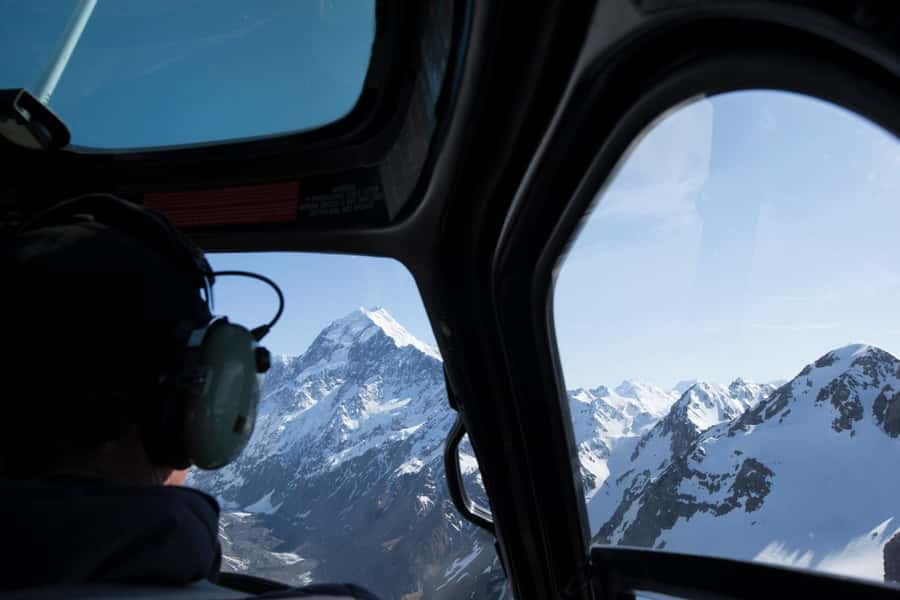
The central sight is Aoraki/Mount Cook. From the air, you get a direct view of the peak and the surrounding snow-covered summits. The exact visibility depends on cloud and weather, but the flight is designed around the mountain and its national park.
This is also where the flight’s weather policy becomes very real. One scheduled morning departure was cancelled because of cloud cover. The passenger stayed in the area, walked one of the nearby trails, and later secured a 3pm flight when space opened. That is useful advice: if your flight is cancelled, ask about later availability before leaving the area.
Do not treat a cancellation as a minor delay. Cloud can block the very views you are paying to see, and the operator has to put safety first. A flexible day at Mount Cook gives you a better chance of fitting in the flight, especially if you can accept a changed departure time.
The provider may also adjust departure times when too few people are booked for the original slot. One flight moved from 3pm to 1pm after the schedule was rearranged because of minimum booking numbers. Communication was handled by email, but you should check your messages before heading to the airport.
More Helicopter Tours around New Zealand:
- Franz Josef Glacier: Helicopter Flight & Alpine Landing
★ 4.8 · 619 reviews - Franz Josef Glacier Heli-Hike
★ 4.5 · 618 reviews - Heli Hike Fox Glacier
★ 5.0 · 563 reviews - Franz Josef: 35min Helicopter Trip over Two Glaciers
★ 4.8 · 451 reviews
The alpine landing and time outside
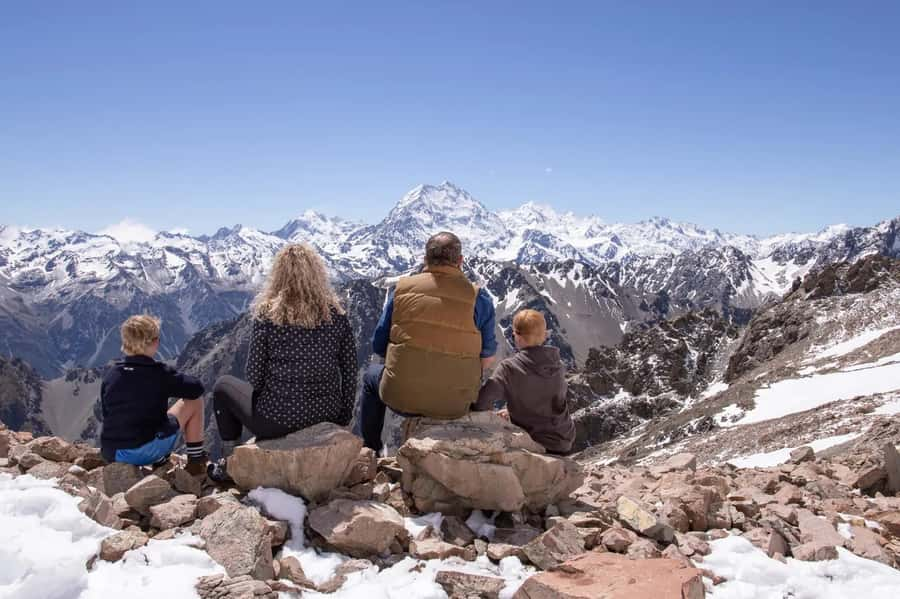
The landing is the feature that turns this from a scenic flight into a brief mountain outing. After flying toward the peaks, the helicopter touches down at a picturesque alpine location, where you can step out and breathe the cold mountain air.
The landing site can offer broad views of snowy peaks and open alpine surroundings. It is a short stop, not a full mountain walk, so think of it as a chance to take in the setting and photograph it rather than a hiking session.
Wear comfortable shoes and warm clothing. Even if the weather feels mild at the airport, the landing site may be colder and more exposed. Sunglasses are useful for glare from snow and ice, while sunscreen is sensible at altitude and in bright open conditions.
Your camera is welcome, but drones and selfie sticks are not allowed. The drone restriction is easy to understand around aircraft and protected mountain areas. A normal camera or phone is the better choice, and you should keep it secure while boarding and leaving the helicopter.
The alpine landing also makes this activity attractive for people who are not prepared for a long hike. You get a taste of a remote mountain setting without needing specialist equipment or a full day on a trail.
Tasman Terminal Lake and its floating ice
Before returning to Mount Cook Airport, the helicopter flies over Tasman Terminal Lake. Look for icebergs floating in the water, a detail that gives the view a strong sense of scale and movement.
From above, the lake helps connect the frozen mountain world to the lower valleys. Ice, water, rock, and snow appear together, giving you a clearer picture of how the Tasman area is shaped. It is one of the most distinctive sights on the route, so keep your camera ready before the helicopter turns back.
The flight window is short. You will not have unlimited time to frame every photograph, and reflections or movement can make aerial photography tricky. I would focus first on looking outside, then take a few well-timed pictures rather than trying to document every second.
If photography is your main reason for booking, sit where the crew places you and use the window available to you. Shared helicopter flights cannot promise a particular seat or a completely unobstructed view for every person.
How the 30-minute length affects the value
Thirty minutes sounds short, but it is long enough to include the airport departure, views of Aoraki/Mount Cook, the alpine landing, Tasman Terminal Lake, and the return flight. The route packs several different sights into a small block of your day.
The trade-off is that the flight can feel fast. You do not have time for long pauses or repeated passes over every viewpoint. If you want a relaxed, extended aerial journey, ask about other flight options or an exclusive departure. This activity is better for a concentrated glimpse of the Southern Alps.
At $230, I would consider it good value for a first aerial flight over Aoraki/Mount Cook, especially because the alpine landing is included. It is less convincing if you are mainly seeking transport or if you already have a longer helicopter trip planned elsewhere in New Zealand.
The price also makes sense for people with limited time in the Mount Cook area. A hike may require several hours and depends on your fitness, while this flight offers a broad view with much less physical effort.
Weather, timing, and the risk of disappointment
Weather is the biggest practical issue. All flights depend on safe conditions, and cloud cover can block views or prevent the aircraft from operating. You should avoid placing the flight immediately before a fixed departure from the region if possible.
A flexible schedule gives you more options. If the morning does not work, a later flight may become available. The experience from one passenger who secured a 3pm departure after a morning cancellation shows why it can pay to remain in the area and ask the counter staff about open places.
The minimum booking requirement is another scheduling factor. A flight time may be changed if too few people are booked, so check your email and be prepared for an adjustment. This is less convenient than a fixed private booking, but it is a normal concern with a shared activity.
The cancellation policy allows a full refund when you cancel at least 24 hours ahead. That helps if your plans change, but it does not remove the need to keep extra time for weather delays or operator changes.
Comfort, mobility, and what to bring
The activity is wheelchair accessible, and staff have provided hands-on help to a passenger who used crutches. That assistance included help getting into and out of the helicopter and was given cheerfully. If you need mobility support, contact the provider in advance so the crew can prepare properly.
Bring:
- Warm clothing
- Comfortable shoes
- Sunglasses
- A camera
- Sunscreen
The clothing advice is practical rather than decorative. You will be outside for the alpine landing, and mountain conditions can feel cool even during a pleasant day at lower elevation.
Leave drones and selfie sticks behind. The operator does not allow them, and neither is needed for good memories. A compact camera or phone is easier to manage around the aircraft.
The experience is guided in English. If you want to understand the commentary, listen through the headset during the flight, but also expect some aircraft noise. The views do not depend on every spoken detail, yet the narration adds useful context when you can hear it clearly.
Who will enjoy this flight most
I would recommend this flight to you if you want to see Aoraki/Mount Cook from above but do not want to spend a full day hiking. It also suits photographers, families seeking a memorable short activity, and anyone with only a limited window in the Mount Cook area.
It is a good choice for people who value access over duration. The alpine landing gives you a physical sense of the mountains, while the aerial route shows the broader setting.
You should think twice if you need a guaranteed departure time, dislike changing plans, or want a long, quiet flight with plenty of time at each viewpoint. Weather and minimum booking numbers can affect the schedule, and the 30-minute format leaves little spare time.
People who are nervous about helicopters should know that one passenger felt some turbulence near Mount Cook but still described the landing and viewing as excellent. Turbulence is possible in mountain air, and the pilot is responsible for deciding whether conditions are safe. If you are anxious, mention it to the crew before boarding.
Should you book the Aoraki/Mount Cook helicopter flight?
Book it if Aoraki/Mount Cook is a priority and you can keep your day flexible. The combination of an aerial view, Tasman Terminal Lake icebergs, pilot commentary, and an alpine landing gives you more than a simple sightseeing loop.
The strongest reasons to go are the landing and the access to mountain views that would take much longer to reach on foot. The main reasons to hesitate are the $230 price, weather risk, shared seating, and short duration.
I would schedule it early enough in your Mount Cook stay that you have time to try again if cloud cancels the first departure. Keep warm clothes in the car, listen for schedule emails, and ask at the airport about later openings. With that small amount of planning, Southern Lakes Helicopters offers a compact and memorable way to see New Zealand’s highest peak.
FAQ
Where does the helicopter flight depart?
Check in with Southern Lakes Helicopters at Mount Cook Airport.
How long is the flight?
The experience lasts 30 minutes, including the helicopter sightseeing route and alpine landing.
How much does the flight cost?
The listed price is $230 per person.
Is an alpine landing included?
Yes. The flight includes a landing at a picturesque alpine location where you can enjoy the mountain air and take photographs.
Will I see Aoraki/Mount Cook?
The route is designed to provide aerial views of Aoraki/Mount Cook, New Zealand’s highest peak. Visibility depends on weather conditions.
Does the flight pass over Tasman Terminal Lake?
Yes. The route includes views of Tasman Terminal Lake and its icebergs.
What happens if the weather is poor?
All flights are weather dependent. Cloud cover can cause a cancellation or schedule change, so keeping your plans flexible is wise.
Is the helicopter flight wheelchair accessible?
Yes, the activity is listed as wheelchair accessible. If you use a wheelchair or mobility aid, contact the provider in advance so the crew can prepare to assist you.
Fresh on the helipad around New Zealand
- Wellington: Scenic South Coast Discovery Helicopter Flight★ 4.8 · 4 reviews
- Wanaka: Scenic Helicopter Flight with Glacier Experience★ 5.0 · 42 reviews
- Wānaka: Scenic Helicopter Flight Wānaka Max★ 5.0 · 11 reviews
- Wānaka: Heli Siberia Max – Helicopter Flight, Hike, Jet Boat★ 5.0 · 3 reviews
- Wānaka: Helicopter Scenic Flight Wānaka Experience★ 5.0 · 4 reviews
- Wānaka: Heli Siberia – Helicopter Flight, Hike & Jet Boat★ 4.6 · 4 reviews
- 15-Minute Wellington Harbour Helicopter Flight★ 4.0 · 9 reviews
- Wharekauhau Heli-lunch from Wellington★ 4.5 · 6 reviews
New Zealand Helicopter Tours, compared.
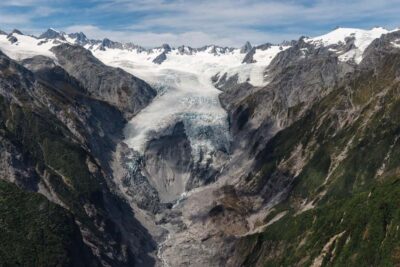
Franz Josef Glacier: Helicopter Flight & Alpine Landing
Read our review →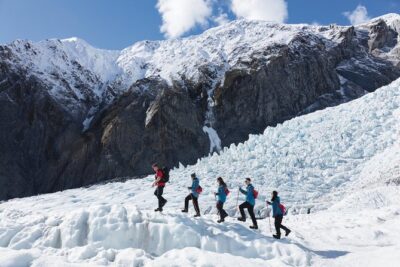
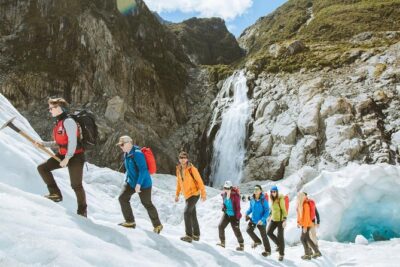
Franz Josef: 35min Helicopter Trip over Two Glaciers
Read our review →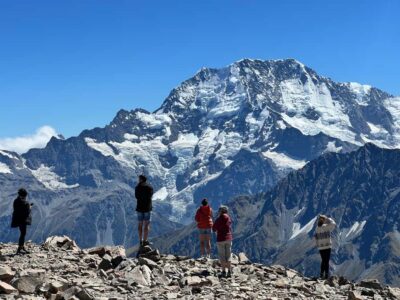
Mount Cook: Scenic Helicopter Flight with Alpine Landing
Read our review →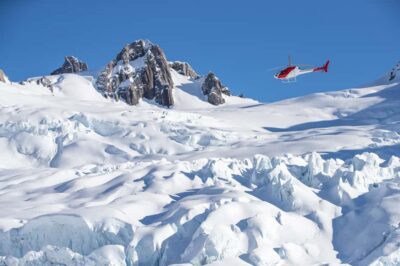
Franz Josef & Fox Glaciers Helicopter Flight & Snow Landing
Read our review →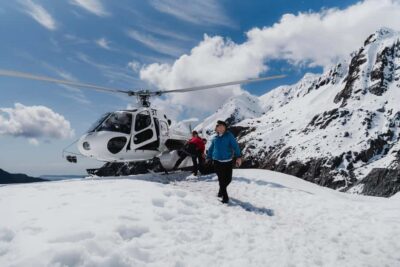
Franz Josef: 2.5 Hour Glacier Hike with Helicopter Transfer
Read our review →
Fox Glacier: Up to 3 Hours Hike with Helicopter Transfer
Read our review →Other lists this flight appears in