
Review · MOUNT COOK
Mount Cook: Mountains High 40-Minute Helicopter Flight
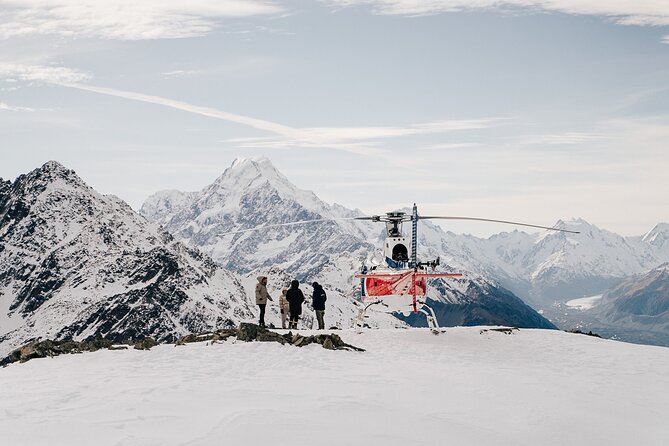
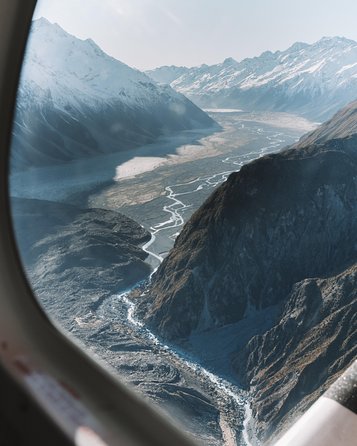
The best part of this flight is the snow landing on Tasman Glacier. You leave the helicopter, step onto a high alpine snowfield, and look toward Aoraki/Mt. Cook, New Zealand’s highest peak. From the air, you also see the Hochstetter Icefall, upper Tasman Glacier, Burnett Mountains, and the wide Mackenzie Basin.
I like the small group size, with no more than six people, and the open-plan cabin, which gives you a good chance to see the scenery below. I also like that the flight covers very different country in 40 minutes, from ice and rock to dry pasture and sparkling waterways.
The main caution is weather. Mountain conditions can alter the route or prevent a snow landing, and some flights have landed on an ice field instead. Headset problems have also made pilot commentary hard to hear for some passengers, so this is not a perfect choice if clear narration matters as much as the views.
Key points to know before takeoff
- Tasman Glacier landing: Plan on 5 to 10 minutes on the snow, though conditions can change the landing site or remove it from the flight.
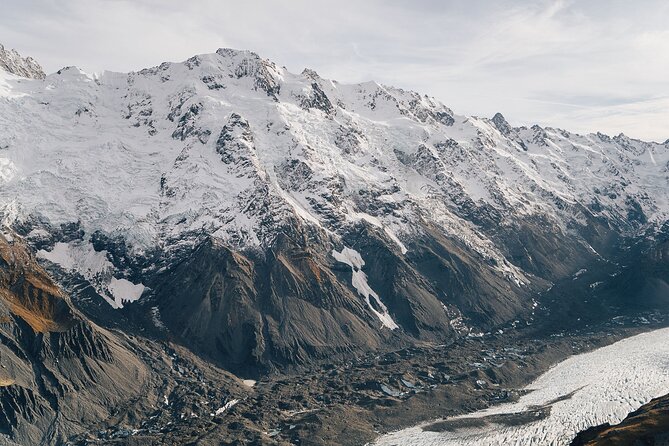
- Aoraki/Mt. Cook views: The route passes the Hochstetter Icefall and upper Tasman Glacier, with views toward the 3,724-meter summit.
- Six-passenger maximum: The small helicopter and open cabin help keep the flight personal and give you broad viewing angles.
- Two very different regions: After the glaciers, you fly over the Burnett Mountains and Mackenzie Basin, where the scenery becomes drier and more open.
- Weather matters: The operator may reschedule or cancel the flight when conditions are not safe.
- Price and timing: At $416.90 per person, this is a major splurge, so book it when clear weather gives you the best chance of seeing the peaks.
A snow landing above Tasman Glacier
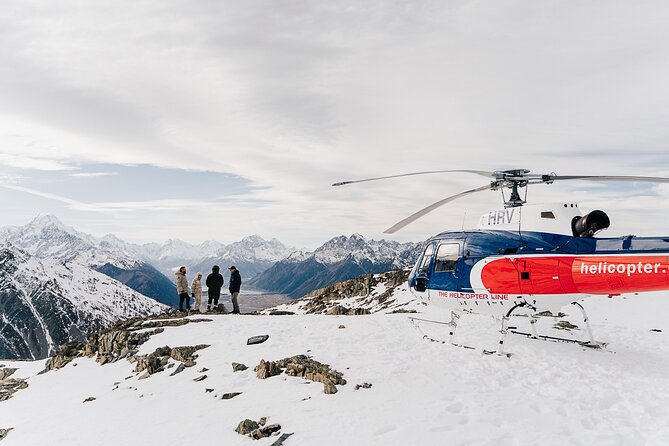
This is not simply a helicopter loop around Mount Cook. The flight includes a landing in the alpine snow, which changes the experience from a scenic ride into a short mountain outing.
After leaving the base at Glentanner Park, the helicopter heads toward the upper Tasman Glacier. The route takes you past the Hochstetter Icefall, a dramatic frozen wall and one of the most striking features on Aoraki/Mt. Cook. You then hover above the broad ice fields before setting down at a suitable alpine site.
The landing itself lasts about 5 to 10 minutes. That is not long enough for a walk or a serious exploration, but it is enough to get out, feel the cold, take photographs, and look around without helicopter windows between you and the mountains.
You will need to dress for cold conditions. Warm clothing and suitable footwear are specifically recommended, and that advice matters even if the weather feels mild at the base. Snow and wind at altitude can feel very different from the conditions at Glentanner.
The exact landing place depends on the day. A snow landing is part of the advertised experience, but it cannot be treated as guaranteed in every season. Reduced snowfall, warm weather, wind, and other mountain conditions have led to flights landing on an ice field or changing the route instead.
That limitation may disappoint you if the snow landing is the main reason you book. It is still wise to think of the flight as an alpine sightseeing trip with a possible snow landing, rather than buying it for one guaranteed patch of snow.
More Helicopter Tours around Mount Cook:
- Mount Cook: Scenic Helicopter Flight with Alpine Landing
★ 4.8 · 442 reviews - Mount Cook: Ski Plane and Helicopter Glacier Combo Flight
★ 4.6 · 271 reviews - Mount Cook: 3 Hour Heli Hike to the Tasman Glacier
★ 4.7 · 218 reviews
Seeing Aoraki/Mt. Cook from above
Aoraki/Mt. Cook reaches 3,724 meters, or 12,217 feet, above sea level. From ground level, its scale is impressive. From a helicopter, you gain a much wider sense of the peak, surrounding glaciers, ridges, and ice fields.
The open-plan cabin is designed for viewing, and the helicopter carries up to six people. That small capacity is useful here. You are not looking through a large tour bus window or sharing a crowded aircraft cabin. The helicopter’s broad windows give you a better chance to follow the changing scenery below.
The pilot serves as your guide during the flight, pointing out natural features and explaining some of the area’s geography and history. Pilots named Gillie, Richard, and Marcus have been praised for clear, friendly commentary on past flights, though your pilot will depend on the day.
One practical issue is the headset system. A few passengers have found the commentary difficult to understand, and some headsets have not worked properly. If you cannot hear the pilot, tell the crew as soon as possible. The views remain excellent, but the commentary adds useful context, especially when several glaciers and ridges begin to look alike from the air.
Clear weather makes a huge difference. On a bright day, the major peaks and glacier lines can be visible across a wide area. In cloud or poor visibility, the flight may be shortened, adjusted, postponed, or canceled. A mountain helicopter ride is not like visiting an indoor attraction where the experience stays the same in all conditions.
From Hochstetter Icefall to the upper Tasman Glacier
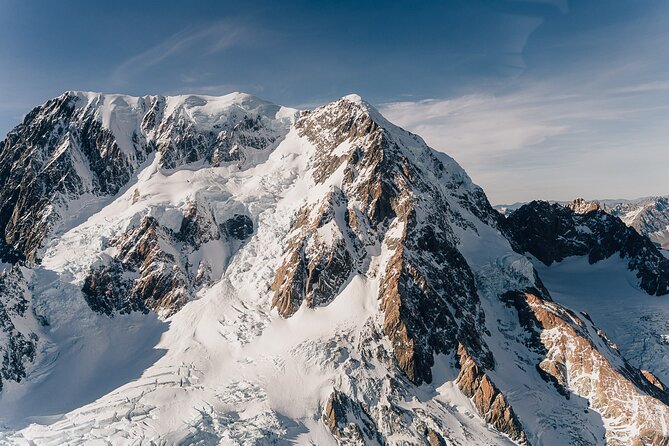
The first part of the flight concentrates on the high country around Aoraki/Mt. Cook. The Hochstetter Icefall is a major visual highlight, with broken ice dropping through steep alpine terrain. You see the glacier not as a flat white surface, but as a moving mass of ridges, cracks, shadows, and blue-white ice.
The upper Tasman Glacier gives you a wider view. From above, you can see how large and remote this frozen region is. The helicopter offers access to places that would require a serious mountain expedition to reach on foot, and it does so within minutes of leaving the base.
That access is the real value of the flight. A short walk near Mount Cook can show you beautiful scenery, but it cannot put you above the glacier or on a remote alpine snowfield. The helicopter allows you to see the scale of the Southern Alps in a way that is otherwise difficult for most visitors.
The trade-off is time. Forty minutes sounds generous, but the flight includes the outbound route, the glacier viewing, the landing, the return route, and the commentary. You get a strong sample of the region rather than an extended stay in any one place.
Crossing the Burnett Mountains and Mackenzie Basin
After the glacier landing, the route continues through the Burnett Mountains. This portion helps the flight feel like more than a single mountain portrait.
You look down on remote ridges and high country before reaching views of the Mackenzie Basin. The basin spreads out below as a broad, open contrast to the steep glacial country. The scenery shifts from snow, ice, and sharp peaks to dry pasture, open plains, and waterways flowing toward the forests of the West Coast.
I like this change because it gives you a better sense of New Zealand’s South Island geography. You are not seeing one isolated attraction. You are watching several connected regions pass beneath you, each shaped by different weather and terrain.
The Burnett Mountains can also feel more remote than the main Mount Cook viewpoints. There are no nearby roads or walking crowds in the places seen from the air. You get a quick but memorable look at country that is difficult to reach independently.
The route may vary with weather, wind, and safety conditions. Do not compare the experience too closely with a different helicopter trip from Fox Glacier or Franz Josef. This flight is based at Glentanner and focuses on Aoraki/Mt. Cook, Tasman Glacier, the Burnett Mountains, and the Mackenzie Basin.
Same rotors, a different route:
- Mount Cook and The Glaciers 55-Minute Helicopter Flight
★ 4.5 · 133 reviews - 45-Minute Mount Cook Ski Plane and Helicopter Combo Tour
★ 4.5 · 107 reviews - The Adventurer: Tasman Glacier Heli-hike
★ 5.0 · 92 reviews - 45-Minute Glacier Highlights Helicopter Tour from Mount Cook
★ 5.0 · 57 reviews
What the 40-minute flight feels like
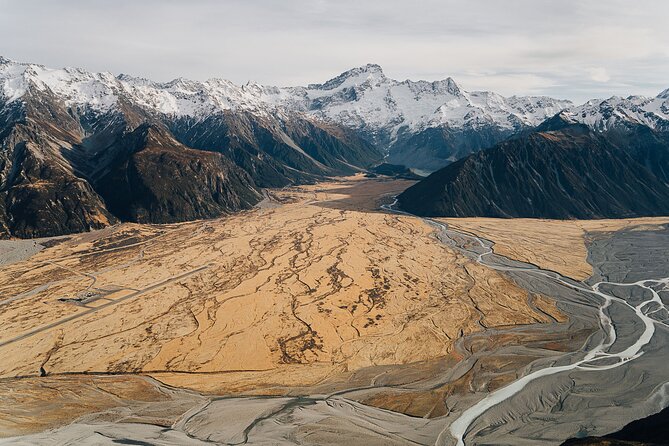
The helicopter’s movement adds excitement, especially if you have never flown in one. The aircraft can circle viewpoints and approach the glacier in a way that gives you changing angles rather than one fixed view.
Mountain air can also bring bumps. That is normal in this setting, and the pilot explains what you are seeing while handling the route. If you feel uneasy, the pilot can reassure you and help you understand what is happening.
The small cabin has one advantage and one possible annoyance. With up to six people, the group is compact and the atmosphere is more personal. However, the front seats have the best forward view, and seat rotation after the landing may be used to give people in the rear a chance at the front.
Ask about the seating plan before takeoff. It is worth making the arrangement clear so everyone gets a fair view. You do not want to spend the whole flight looking past another passenger when a simple rotation could solve the problem.
The landing gives you a break from the motion of the aircraft. You can step into the snow, take photographs, and look toward Aoraki/Mt. Cook. Keep your expectations realistic: this is a short stop, not a guided glacier walk.
Is $416.90 a fair price?
At $416.90 per person, this is expensive. For a 40-minute activity, the hourly cost is far higher than a standard scenic drive or walking tour.
The price makes more sense when you consider what is included. You get a helicopter flight, access to remote alpine terrain, a pilot guide, aerial views of major glaciers, and a possible 5 to 10-minute snow landing. Reaching comparable places on foot would require mountaineering skill, special equipment, and far more time.
You are paying for access and scale, not just transportation. The helicopter shows you how large the ice fields and mountain ranges are, while the landing gives you a physical connection to the high country.
Still, value depends heavily on visibility. A clear day can make this one of the defining experiences of a South Island trip. A cloudy or altered flight may feel harder to justify at this price, particularly if the snow landing is not possible.
I would schedule it early in your stay at Mount Cook if your plans allow. That gives the operator a chance to move you to another time or date if weather disrupts the original booking. It also protects you from spending your final hour in the region waiting for a flight that cannot operate.
Who will enjoy this Mount Cook helicopter flight?
This suits you if you want a big scenic experience with little physical effort. It is especially useful for seeing remote glaciers when long mountain walks are not practical.
The flight also suits photographers, honeymooners, families, and anyone visiting New Zealand for a special occasion. Several passengers have described it as a highlight of a longer South Island trip, and that makes sense: the helicopter combines excitement, views, and a memorable landing in one short outing.
Children must be accompanied by an adult. Most people can participate, but the operator sets a total passenger weight limit of 331 pounds per passenger. If mobility is a concern, contact the operator before booking. One past flight required extra help getting a physically disabled child into the helicopter, so boarding access should not be left to chance.
This is less suitable if you need a guaranteed itinerary. Weather can change the landing, route, or departure time. It is also not ideal if you dislike aircraft motion or want a long, quiet walk on the glacier.
You should also be comfortable spending much of the experience looking through a window. The snow landing is brief, and the bulk of the activity takes place in the air.
Meeting point, clothing, and cancellation terms
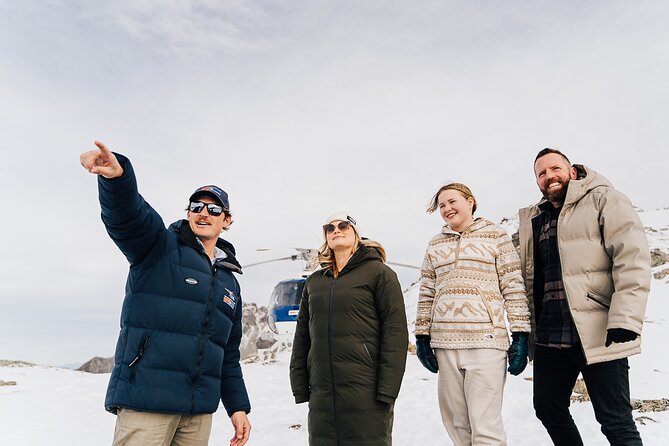
You make your own way to The Helicopter Line at Glentanner Park on State Highway 80. The flight returns to the same meeting point, so you arrange your own transport to and from the base.
Give your preferred flight time when booking. The operator confirms the booking at that point, but the final experience still depends on mountain conditions.
Wear warm clothing and sturdy footwear. You should be ready for cold temperatures at the landing site, even if you arrive at Glentanner in mild weather. Personal items are not included, so bring only what you need and keep loose belongings secure.
You can cancel for a full refund up to 24 hours before the scheduled start time. Cancellations or changes within 24 hours are not refunded. If poor weather cancels the flight, you can be offered another date or a full refund. The same applies if the minimum number of participants is not reached.
Should you book the Mountains High flight?
Book it if you want the most dramatic possible view of Aoraki/Mt. Cook without committing to a demanding mountain outing. The glacier flight, snow landing, and change from alpine ice to the Mackenzie Basin create a strong 40-minute snapshot of the South Island.
I would be careful about booking it solely for a guaranteed snow landing. Conditions can remove that part, and the pilot commentary may be difficult to hear if a headset fails. At this price, keep your schedule flexible and choose a day with the best weather outlook.
If the flight operates in clear conditions, it can be a highlight of your time around Mount Cook. If you prefer a lower-cost, slower experience, stay on the trails and viewpoints around Aoraki/Mt. Cook Village. But if you want remote glaciers, a close view of New Zealand’s highest peak, and the thrill of landing high in the Southern Alps, this flight earns its place on your itinerary.
FAQ
How long is the Mount Cook helicopter flight?
The flight lasts approximately 40 minutes, including the scenic route, glacier viewing, alpine landing, and return to Glentanner Park.
Where does the helicopter flight depart?
It departs from The Helicopter Line at Glentanner Park, State Highway 80, Glentanner, New Zealand.
Does the flight include a snow landing?
Yes, the experience includes a snow landing planned for about 5 to 10 minutes. Weather, snowfall, and mountain conditions can change the landing site or prevent a snow landing.
What can I see during the flight?
The route can include the Hochstetter Icefall, upper Tasman Glacier, Aoraki/Mt. Cook, the Burnett Mountains, and the Mackenzie Basin.
How many people can join the helicopter flight?
The helicopter carries a maximum of six participants.
Is a pilot guide included?
Yes. The pilot provides commentary about natural features and the surrounding region during the flight.
What should I wear?
Warm clothing and suitable footwear are recommended because temperatures at the alpine landing site can be cold.
Can children join the flight?
Yes, children can participate, but they must be accompanied by an adult.
What happens if bad weather cancels the flight?
If poor weather causes cancellation, you can be offered another date or a full refund. You can also cancel for a full refund if you do so at least 24 hours before the scheduled start time.
Fresh on the helipad around Mount Cook
- Mount Cook Scenic 35 Minute Helicopter Flight★ 5.0 · 6 reviews
- Glentanner High Country Heli Hike★ 5.0 · 52 reviews
- Mount Cook Alpine Explorer Helicopter Flight with Alpine Landing★ 4.0 · 22 reviews
- Mount Cook: Alpine Vista Helicopter Flight with Alpine Landing★ 4.5 · 39 reviews
- 55-Minute Grand Circle Helicopter★ 4.5 · 36 reviews
- Mount Cook: 3-Hour Tasman Glacier Heli-Hike★ 4.5 · 29 reviews
- 25-Minute Helicopter flight including an alpine landing★ 4.5 · 49 reviews
- Mount Cook: 50-Minute Aoraki Scenic Helicopter Flight★ 4.7 · 10 reviews
Mount Cook Helicopter Tours, compared.
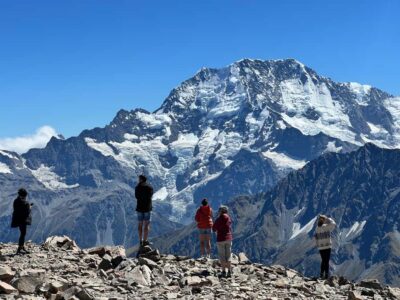
Mount Cook: Scenic Helicopter Flight with Alpine Landing
Read our review →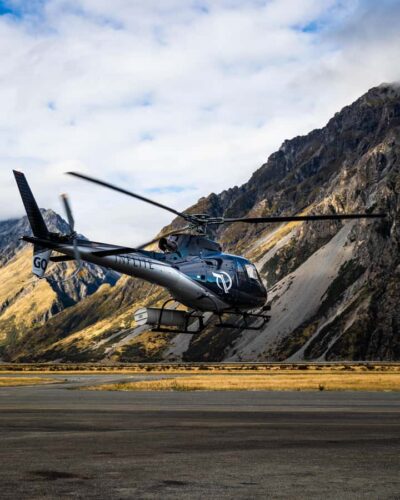
Mount Cook: Ski Plane and Helicopter Glacier Combo Flight
Read our review →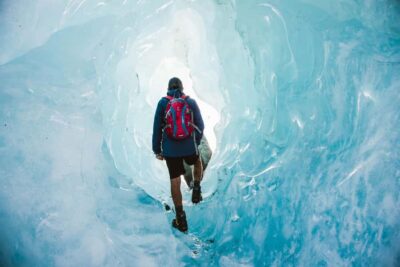
Mount Cook: 3 Hour Heli Hike to the Tasman Glacier
Read our review →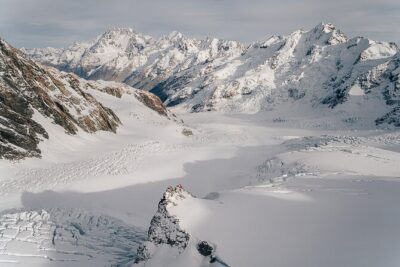
Mount Cook and The Glaciers 55-Minute Helicopter Flight
Read our review →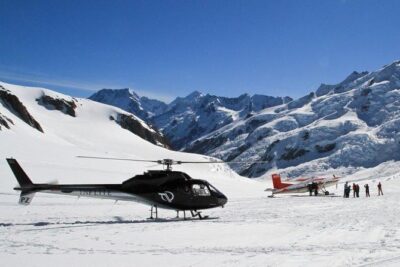
45-Minute Mount Cook Ski Plane and Helicopter Combo Tour
Read our review →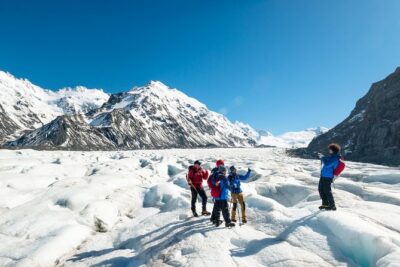
45-Minute Glacier Highlights Helicopter Tour from Mount Cook
Read our review →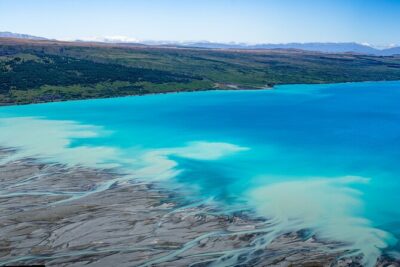
Other lists this flight appears in