
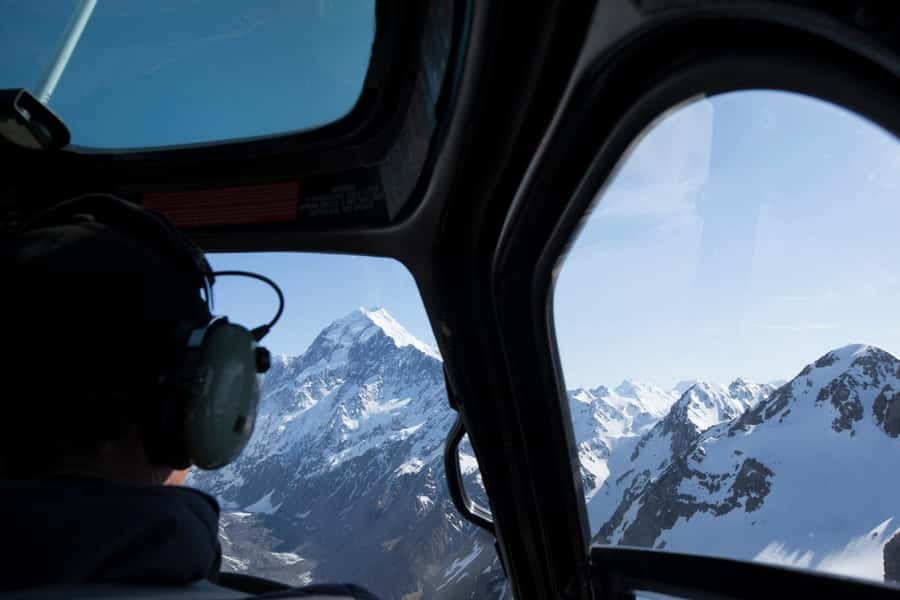
Review · MOUNT COOK
Mount Cook: 50-Minute Aoraki Scenic Helicopter Flight
A snow landing high on the Tasman Glacier is the heart of this flight. In 50 minutes, you rise over Aoraki/Mount Cook National Park, cross a world of ice and rock, and step out into the quiet of one of New Zealand’s great glaciers.
I like the broad views, from Lake Pukaki and Aoraki/Mount Cook to the West Coast and Tasman Sea. I also like that the pilot points out individual glaciers and mountain features, turning a fast flight into a useful introduction to the region.
The main catch is the weather. Clouds can block the best views or prevent the full flight plan, and one passenger reported sitting in the middle of the back with poor visibility. At $499 per person, you’ll want clear skies and a good seat.
Key points at a glance
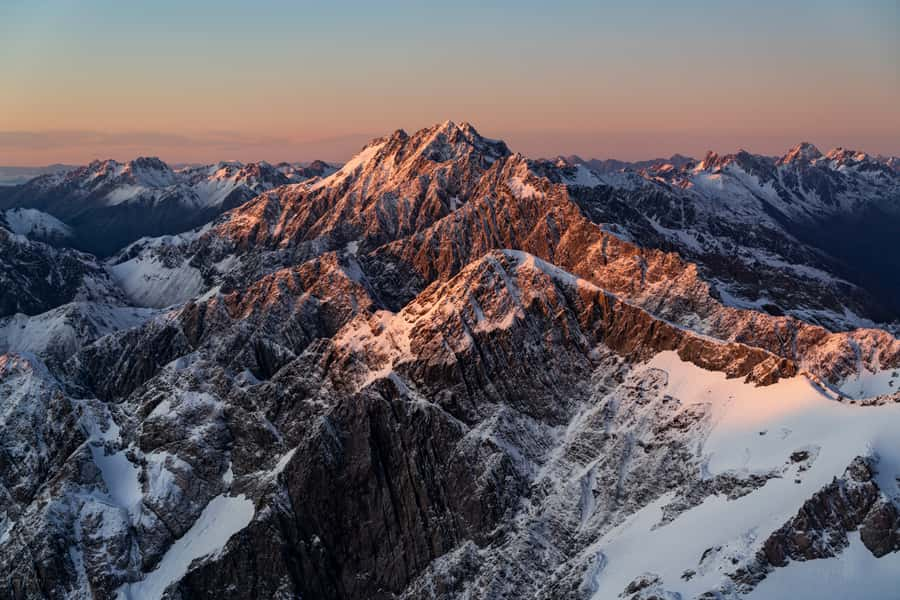
- Snow landing on the Tasman Glacier: Step out of the helicopter onto glacier snow high in Aoraki/Mount Cook National Park.
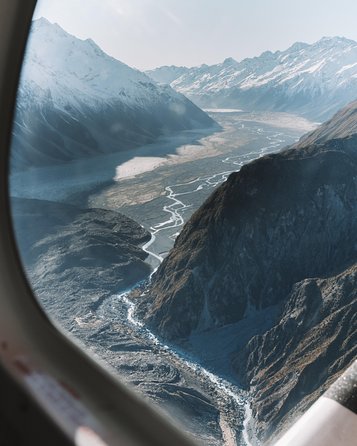
- Three glaciers from above: Look for hanging ice, broad rivers of ice, and blue crevasses from your window seat.
- Views from coast to coast: On a clear day, the flight can show both sides of New Zealand’s South Island, including the West Coast and Tasman Sea.
- Lake Pukaki from the air: See the lake in the wider setting of the Southern Alps and Aoraki/Mount Cook region.
- An English-speaking pilot guide: The pilot provides commentary and points out mountains and glaciers during the flight.
- Weather matters: The snow landing and the wider route depend on conditions, so keep your plans flexible.
Why the Tasman Glacier landing matters
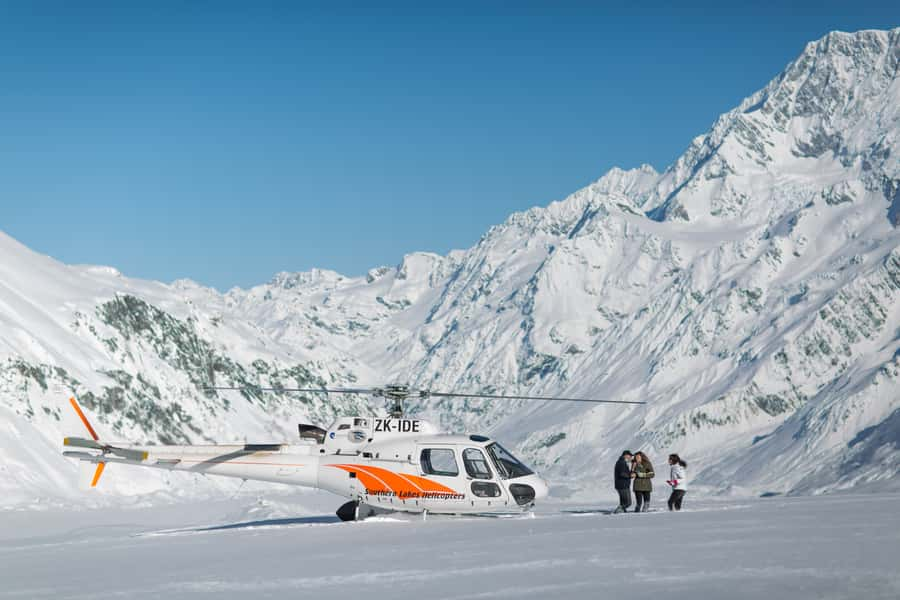
A helicopter flight gives you height. The snow landing gives you time to feel the place.
From the air, the glacier is a huge field of ice shaped by mountain walls, ridges, and deep cracks. On the ground, you can step out, look around, and take in the silence. That contrast is what makes this more than a quick sightseeing flight.
The Tasman Glacier is the largest glacier in New Zealand, but you do not need to know its measurements to appreciate the stop. What matters is the scale. You see ice stretching through the mountains, with crevasses appearing as blue cuts in the surface. The snow landing places you inside that setting rather than leaving you to view it only through a helicopter window.
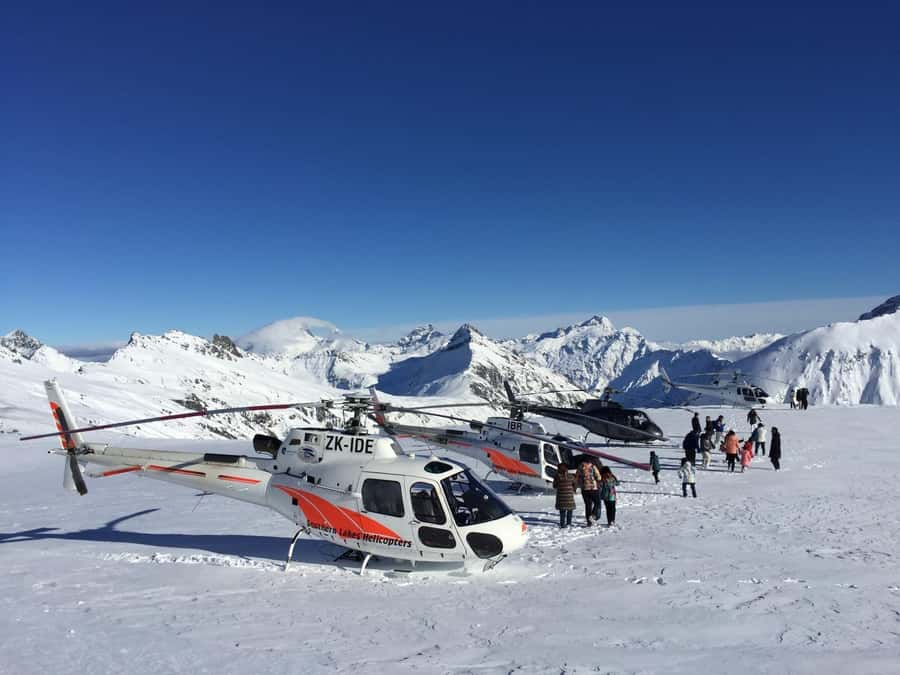
The stop also breaks up the flight in a useful way. Fifty minutes can pass quickly when you are watching peaks and glaciers below. Getting out on the snow gives the experience a clear middle point and a chance to take photos with the glacier around you.
Do not expect a long glacier walk. The information describes a snow landing, not a guided hike. Your time on the glacier is part of the flight, so think of it as a scenic stop rather than an expedition.
More Scenic Helicopter Flights in New Zealand
- Mount Cook: Scenic Helicopter Flight with Alpine Landing
★ 4.8 · 442 reviews - Mount Cook Scenic 35 Minute Helicopter Flight
★ 5.0 · 6 reviews - Mt Cook: 55-Minute Scenic Flight in Helicopter or Ski Plane
★ 4.1 · 6 reviews
Taking off over Aoraki/Mount Cook National Park
The flight begins at Southern Lakes Helicopters. When you enter through the sliding doors, turn left to find the company.
Once airborne, the helicopter gives you a high view of the national park that is difficult to match from roads or ordinary walking tracks. Aoraki/Mount Cook, New Zealand’s highest peak, is the main prize, but the surrounding mountains and ice fields make up much of the spectacle.
Your pilot provides commentary in English and points out glaciers and mountains. That matters because the scenery can look like a jumble of ridges from the air. Names and explanations help you understand what you are seeing instead of simply watching one white peak after another pass by.
One of the strongest reports came from a passenger who praised pilot Tony for explaining the glaciers and mountains throughout the trip. You may not fly with Tony, but that gives you a good idea of the kind of service to hope for: clear explanations, not just a flight with the engine roaring beneath you.
The helicopter is a small viewing platform, so look in all directions. You will want to watch the mountain ahead, then turn toward the side windows as ice fields and valleys open up below. Keep your camera ready, but do not spend the entire flight looking at a screen.
Three glaciers, blue crevasses, and rivers of ice
The route includes views of three glaciers. From above, you can see how each one moves through the mountains, with ice gathering in high valleys and flowing toward lower ground.
The most striking details may be the smaller ones. Hanging glaciers cling to steep slopes. Crevasses appear blue where the ice has split and light reaches into the cracks. Broad rivers of ice curve through the rock like frozen streams.
This is where the pilot’s commentary adds real value. A broad aerial view can be beautiful but confusing. If the pilot identifies the glaciers and explains the mountain features, you can connect the shape below with the name being spoken in your headset.
The color of glacier ice also changes the view. Snow looks bright and open, while older compressed ice can show stronger blue tones in cracks and shaded sections. You may find yourself looking less at the famous summit and more at the patterns across the glacier surface.
Cloud can change this part of the flight quickly. A clear day may reveal the full route, while low cloud can hide peaks and ridges. One passenger still had an exciting flight when cloud blocked the full Ultimate Experience, but the point is worth taking seriously: you are paying for views, and the weather controls how much you receive.
Lake Pukaki from a helicopter window
Lake Pukaki gives you a different kind of view from the glaciers. Its broad surface places the high mountains in a wider setting, helping you see how the Southern Alps relate to the open country around them.
From ground level, a lake can seem like a destination on its own. From the helicopter, it becomes part of a larger picture. You can compare the open water with the steep mountains and ice fields farther into the park.
This is also one of the reasons the flight works well as an introduction to the region. In a short time, you see water, snow, rock, glaciers, and high peaks. The variety keeps the flight from feeling like 50 minutes of the same view.
If you are choosing between a simple scenic flight and this longer option, the inclusion of Lake Pukaki and the wider route helps explain the higher price. You are not only flying toward one mountain. You are seeing a connected section of the South Island from above.
More Scenic Helicopter Flights in Mount Cook:
- Helicopter Scenic Flight over Victoria Falls 12-13 minutes Flight
★ 5.0 · 1,391 reviews - Niagara Falls, Canada: Scenic Helicopter Flight
★ 4.8 · 1,068 reviews - Cairns: Great Barrier Reef Cruise & Scenic Helicopter Flight
★ 4.7 · 1,003 reviews - Cape Town: 12-Minute City Scenic Helicopter Tour
★ 4.8 · 853 reviews
From the Southern Alps to the wild Tasman Sea
On a clear day, the route can provide views of the West Coast and the Tasman Sea. This is the most ambitious part of the experience, since it gives you a sense of New Zealand from coast to coast.
The contrast is striking. Near Aoraki/Mount Cook, the view is all ice, cliffs, and snow-covered peaks. Toward the coast, the scene changes to open water and a wilder edge of the island. From your seat, you get a birds-eye view of both sides of the South Island.
The words on a clear day are important here. Do not book this flight expecting a guaranteed coast-to-coast view. Mountain weather can limit visibility, and the operator says all flights depend on conditions. If clouds roll in, the pilot may adjust the route and still provide the best flight possible, but the full range of views may not be available.
That uncertainty is not a flaw unique to this trip. It is part of flying in an alpine area. Still, it affects the value of a $499 booking, so leave room in your schedule if you can. A flexible plan gives you a better chance of flying in conditions that suit the route.
What $499 buys you
At $499 per person, this is a major splurge. The value depends on what you want from your South Island trip.
You are paying for more than transport. The package includes a 50-minute scenic flight, the Tasman Glacier snow landing, an experienced professional pilot, and commentary during the route. The coast-to-coast possibility also gives the flight a wider reach than a short circuit around one peak.
I would consider it good value if the glacier landing is high on your wish list and you care about seeing Aoraki/Mount Cook from several angles. You also gain access to views that would take far more time and effort to reach on foot.
I would be more cautious if your budget is tight or if you mainly want a clear photograph of the summit. Weather can reduce the route, and you cannot control where you sit. One passenger specifically found the middle back seat made it hard to see anything. That is a useful warning for anyone expecting a perfect window view throughout.
The experience has a 4.7 rating from 10 reviews, with most comments praising the flight, the glacier landing, and the pilots’ explanations. The smaller number of reviews means I would treat that score as encouraging rather than definitive. The low seat-visibility comment and the report of cloud cover are both worth keeping in mind.
Seats, cameras, and what to wear
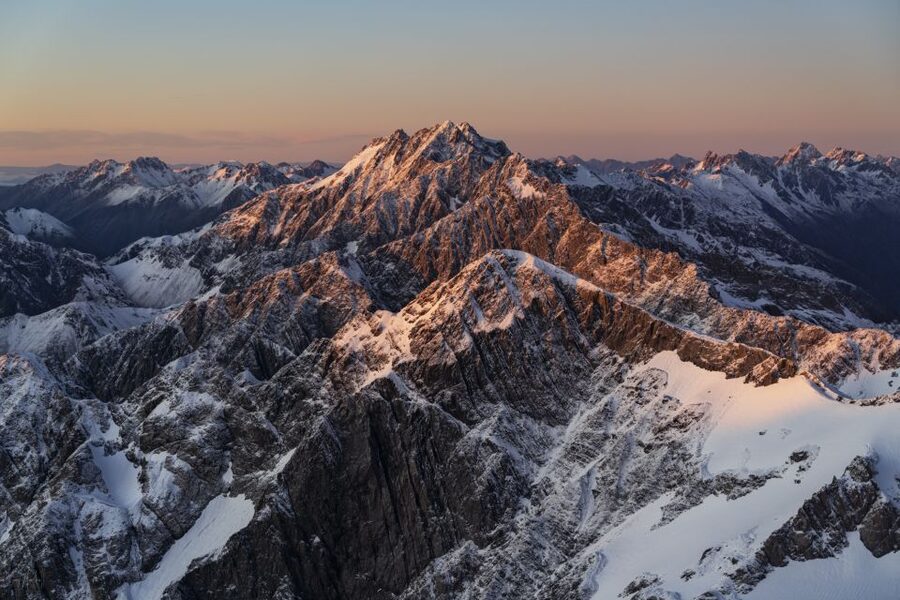
The helicopter cabin is not a private viewing pod. Other passengers share the aircraft, and your seat may affect how much you can see. Ask about seating if the operator can provide guidance, but do not assume every passenger will have an equally open view.
Bring a camera, but also bring a charged smartphone. The phone can serve as a backup camera and may be useful for booking or contact details. Selfie sticks and drones are not allowed, so plan to take photos with a hand-held camera or phone.
Wear comfortable shoes and clothing suited to the weather. The snow landing makes proper footwear more important than it might be on a standard city sightseeing flight. Weather-appropriate layers also help because conditions on the glacier may feel different from those at the departure point.
Bags are not allowed. Travel light and do not arrive expecting to carry a backpack into the aircraft. The rule keeps the cabin and landing experience more manageable, but it means you should sort out your essentials before check-in.
Every passenger’s weight must be provided for aircraft weight and balance. This is a normal safety requirement for a small aircraft, not an optional detail to skip when booking.
The activity is wheelchair accessible, according to the supplied information. If you need particular assistance, confirm the arrangements before arrival, since the flight includes an aircraft boarding process and a snow landing.
Weather, cancellations, and flexible planning
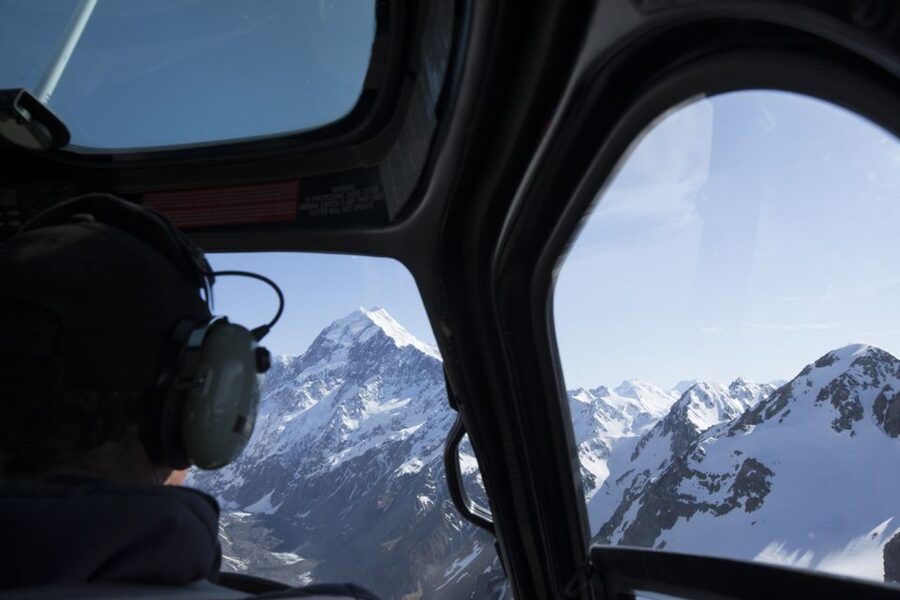
The operator makes clear that flights are weather dependent. Clouds can hide Aoraki/Mount Cook, reduce the coast-to-coast views, or prevent the snow landing. A pilot may still provide a worthwhile flight in poor conditions, but the experience can be different from the ideal route.
Minimum numbers apply as well. Keep that in mind if you are building a tightly timed day around the flight.
You can cancel up to 24 hours in advance for a full refund, and you can reserve now and pay later. Those terms make it easier to place the flight toward the middle of your itinerary rather than locking it to your first available day.
I would avoid booking it just before a flight, long drive, or other fixed appointment. Weather changes can affect departure times or the route, and the 50-minute duration does not include all the time needed around check-in and boarding.
Who should book this helicopter flight
This is a strong choice for you if:
- You want to see Aoraki/Mount Cook from the air rather than only from roads or trails.
- A snow landing on the Tasman Glacier is a central goal.
- You enjoy scenery but also want a pilot to explain the glaciers and mountains.
- You have enough schedule flexibility to handle changing weather.
- You are comfortable paying $499 for a short but concentrated experience.
It may not suit you if you need a guaranteed clear view, dislike small aircraft, or want a long walk on the glacier. The flight is scenic and atmospheric, not a full glacier trek.
Families and mixed-age groups may find the 50-minute length useful because it delivers a lot without taking an entire day. The snow landing adds a memorable shared moment, while the commentary gives first-time visitors some context for the region.
Photography-minded passengers should think carefully about seating and weather. The middle back seat may provide a weaker view, and cloud can limit the best shots. Still, when visibility is good, the combination of glacier ice, high peaks, Lake Pukaki, and the coast offers plenty to photograph.
Should you book the Aoraki scenic flight?
Book it if the Tasman Glacier landing is worth a serious splurge and you can give the weather some room. The strongest parts are the snow landing, the three-glacier route, and the chance to see from Lake Pukaki to the West Coast and Tasman Sea in one flight.
If you do book, arrive with light luggage, comfortable shoes, weather-ready clothing, and a charged phone. Provide accurate passenger weights, ask about seating, and keep your expectations flexible. On a clear day, this can be a spectacular way to understand the scale of Aoraki/Mount Cook National Park. On a cloudy day, it may be more limited, but the pilot will still work with the conditions.
FAQ
How long is the helicopter flight?
The scenic flight lasts 50 minutes.
What is the main highlight of the flight?
The main highlight is a snow landing on the Tasman Glacier.
Will the flight visit Aoraki/Mount Cook?
The flight is designed to show Aoraki/Mount Cook, New Zealand’s highest peak, along with the surrounding national park.
How many glaciers can I see?
The flight includes views of three glaciers.
Can I see the West Coast and Tasman Sea?
On a clear day, you can see the West Coast and the Tasman Sea from your seat.
Is Lake Pukaki visible during the flight?
Yes, views of Lake Pukaki are included among the highlights.
What language does the pilot use?
The live tour guide and in-flight commentary are in English.
What should I bring?
Bring comfortable shoes, a camera, weather-appropriate clothing, and a charged smartphone.
Can I bring a drone, selfie stick, or bag?
No. Drones, selfie sticks, and bags are not allowed.
What happens if the weather is poor?
All flights are weather dependent. Cloud can affect the route, views, and snow landing, so keep your plans flexible.
Fresh on the helipad around Mount Cook
- Mount Cook: Mountains High 40-Minute Helicopter Flight★ 5.0 · 53 reviews
- Glentanner High Country Heli Hike★ 5.0 · 52 reviews
- Mount Cook Scenic 35 Minute Helicopter Flight★ 5.0 · 6 reviews
- Mount Cook Alpine Explorer Helicopter Flight with Alpine Landing★ 4.0 · 22 reviews
- Mount Cook: Alpine Vista Helicopter Flight with Alpine Landing★ 4.5 · 39 reviews
- 55-Minute Grand Circle Helicopter★ 4.5 · 36 reviews
- Mount Cook: 3-Hour Tasman Glacier Heli-Hike★ 4.5 · 29 reviews
- 25-Minute Helicopter flight including an alpine landing★ 4.5 · 49 reviews
Mount Cook Helicopter Tours, compared.
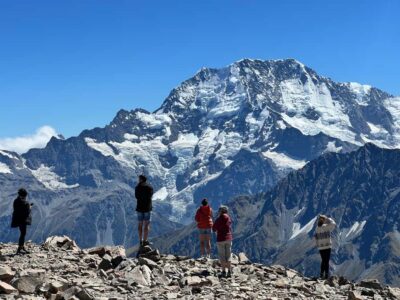
Mount Cook: Scenic Helicopter Flight with Alpine Landing
Read our review →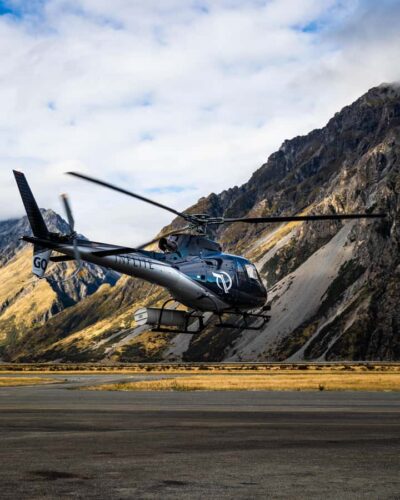
Mount Cook: Ski Plane and Helicopter Glacier Combo Flight
Read our review →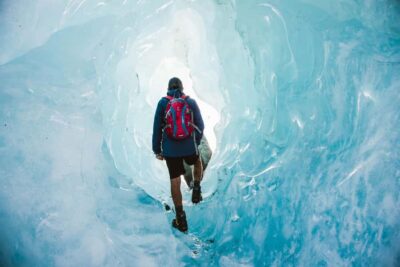
Mount Cook: 3 Hour Heli Hike to the Tasman Glacier
Read our review →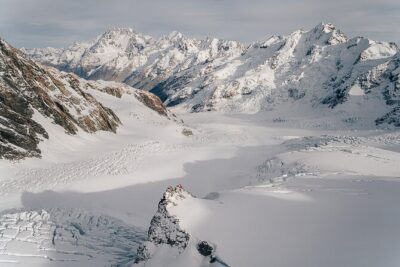
Mount Cook and The Glaciers 55-Minute Helicopter Flight
Read our review →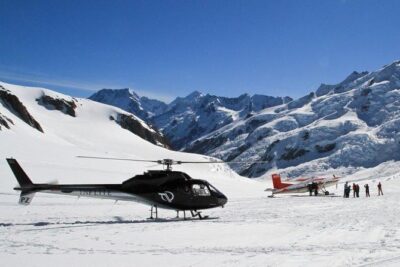
45-Minute Mount Cook Ski Plane and Helicopter Combo Tour
Read our review →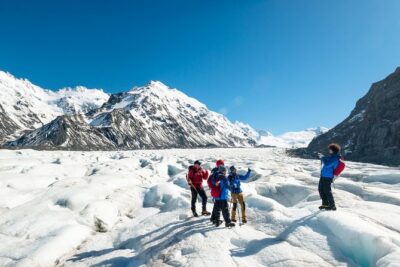
45-Minute Glacier Highlights Helicopter Tour from Mount Cook
Read our review →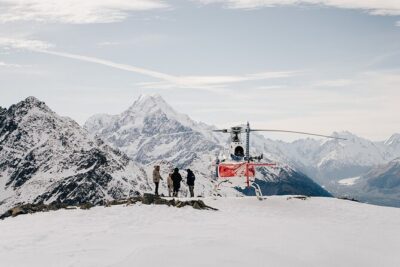
Mount Cook: Mountains High 40-Minute Helicopter Flight
Read our review →Other lists this flight appears in