
Review · MOUNT COOK
The Adventurer: Tasman Glacier Heli-hike
Flying over Aoraki Mount Cook, then stepping onto the remote Tasman Glacier, gives you two New Zealand highlights in one compact outing. The helicopter flight is not just transport. It is part of the show, with a fly-by of the country’s highest peak and broad views of the ice below.
I like the small maximum group of 11, which gives your guide room to watch everyone on the ice. I also like the practical gear package: leather boots, wool socks, crampons or snowshoes, walking poles, and waterproof outerwear. The main catch is simple: this trip depends on weather, and the departure time cannot be held if you arrive late.
Key things to know before you book
- Aoraki Mount Cook from the air: The outward or return flight includes a close scenic view of New Zealand’s highest peak.
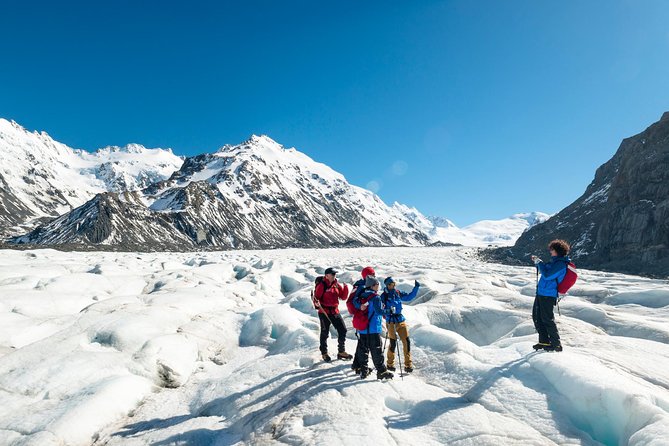
- Remote Tasman Glacier access: You land high on the glacier at roughly 1,300 metres, far beyond an ordinary walking route.
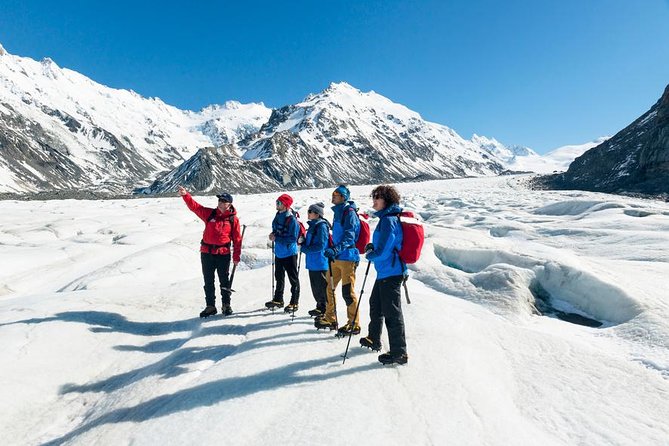
- Real glacier travel: Your guide may cut steps in the ice and lead you across snow, ice formations, tunnels, caves, or holes.
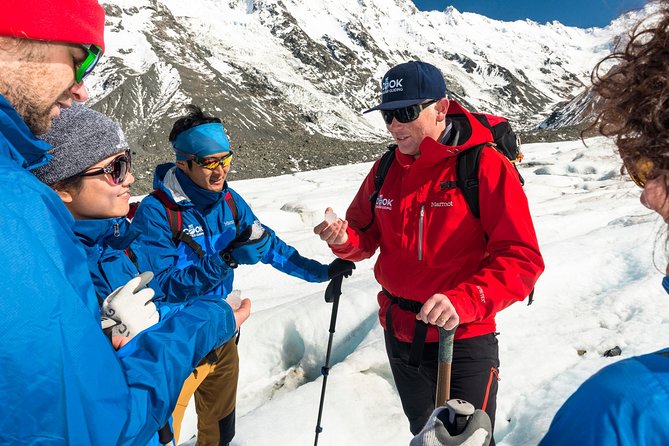
- Warm clothing is supplied: Boots, wool socks, waterproof trousers, a jacket, crampons, and poles are included.
- Guides make the difference: Richard, Hunter, Fiona, Flav, Pawel, Anna, and others are praised for careful instruction and friendly leadership.
- Weather controls the schedule: Poor conditions can mean a new date or a full refund, so leave flexibility in your Mount Cook plans.
The helicopter ride to Tasman Glacier
The experience starts at Mount Cook Airport on Mount Cook Road. After preparation and safety instructions, you board a helicopter for the flight toward a remote section of Tasman Glacier.
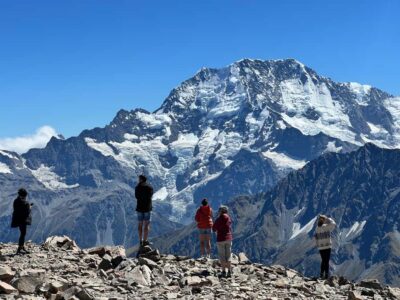
For many people, this is already a highlight. The flight gives you an angle that a road or valley walk cannot match. You see the glacier spread through the mountains, then get the promised fly-by of Aoraki, also called Mount Cook. The return flight brings another chance to take in the ice and peaks, and the pilot may make a close scenic pass by a glacier on a mountain face when conditions allow.
Seating arrangements matter on a small aircraft. The company has been praised for switching seats so everyone gets a window or front position on either the outgoing or return flight. That is a thoughtful touch, since helicopter views are part of the value here, not a minor extra.
I would still keep expectations sensible. A helicopter has limited room, and the exact view depends on seating, weather, and the flight path on the day. You are paying for two scenic flights and glacier access, not a private charter with unlimited time in the air.
More Glacier Helicopter Tours in New Zealand
- Mount Cook: Scenic Helicopter Flight with Alpine Landing
★ 4.8 · 442 reviews - Mount Cook: Ski Plane and Helicopter Glacier Combo Flight
★ 4.6 · 271 reviews - Mount Cook: 3 Hour Heli Hike to the Tasman Glacier
★ 4.7 · 218 reviews
Landing at roughly 1,300 metres
The helicopter sets down on a remote part of the glacier at about 4,265 feet, or 1,300 metres. That number matters. You are not simply walking beside a glacier from a nearby car park. You are being placed directly onto a high, changing field of snow and ice that would otherwise require a long and difficult approach.
Once you land, the guide helps fit your equipment. Depending on the season and the snow conditions, that means crampons or snowshoes. Adjustable walking poles are also supplied. A harness may be provided if the route calls for one.
The first few minutes are about getting used to the surface. Ice is not a normal footpath, and every step has a different feel. Your guide explains how to move safely and stays attentive to the group. This is one reason the small group limit is useful. It is easier to ask questions, adjust equipment, or get help before a minor problem becomes a serious one.
The glacier is active and constantly changing. Crevasses, meltwater, snow bridges, and ice walls can alter the route. The exact places you visit will depend on current conditions, so you should treat the published examples as possibilities rather than a fixed promise.
Walking through blue ice and glacier formations
The guided hike is the heart of the outing. Your guide leads you over fresh snow and icy ground, looking for formations that show how the glacier is moving and melting.
The route can include ice caves, tunnels, and holes in the glacier. One outing included a descent about ten feet into a blue-white hole, with water surging below. Another included a walk or crawl through ice caves, a taste of glacier water, and a slushie made with glacier ice. These details show why this is more than a snowy viewpoint. The guide uses the conditions on the day to find interesting features that are safe to visit.
You may also see small avalanches in the surrounding mountains. That does not mean you are placed in danger. It does show that this is a living mountain environment, not a frozen museum display. Your guide decides where to go and how close to get.
Guides such as Richard, Hunter, Fiona, Flav, Pawel, and Anna are repeatedly singled out for clear explanations, good humor, and close attention to safety. The best part of that is not simply learning glacier facts. It is knowing that someone experienced is reading the ice, the weather, and the group’s ability as the route develops.
Your guide may cut steps into the glacier using techniques passed down through New Zealand’s mountain tradition. That makes the walking feel hands-on and purposeful. You are not following a marked tourist trail. You are moving through terrain that requires proper tools and trained judgment.
What the supplied gear means for your comfort
The clothing package takes much of the pressure off packing for a high-altitude outing. You receive quality leather boots and wool socks, along with a waterproof jacket and over-trousers. Gloves may also be available if needed, according to the experience details and guest comments.
You still need to dress properly. Bring three or four warm upper-body layers, warm trousers, sunglasses, sun protection, a hat, gloves, water, and snacks. Do not wear jeans. They are poor protection if they become wet, and they are uncomfortable in cold conditions.
The supplied boots and outerwear are useful, but they do not replace personal layers. Glacier weather can shift quickly, and the combination of cold air, wind, sun, and snow can make conditions feel much harsher than they do at the airport. Wear clothes you can add or remove as needed.
Sunglasses and sunscreen are especially important. Snow and ice reflect strong light, and the helicopter flight takes you into exposed mountain country. Bring a camera, but keep it secure and do not let photography distract you from the guide’s instructions.
More Glacier Helicopter Tours in Mount Cook:
- Mount Cook and The Glaciers 55-Minute Helicopter Flight
★ 4.5 · 133 reviews - 45-Minute Glacier Highlights Helicopter Tour from Mount Cook
★ 5.0 · 57 reviews - 25-Minute Helicopter flight including an alpine landing
★ 4.5 · 49 reviews - Mount Cook: Alpine Vista Helicopter Flight with Alpine Landing
★ 4.5 · 39 reviews
A small group with serious safety duties
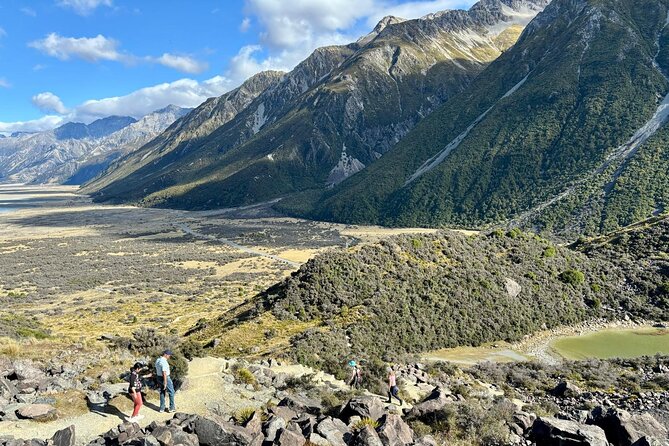
The maximum group size is 11 people. That is not a private experience, but it is small enough for a guide to keep track of the group on uneven ice.
Before you set off, expect instructions about behavior around the helicopter and on the glacier. Follow them closely. The aircraft has strict scheduling, and the company cannot delay departure for late arrivals. If you miss your confirmed time and the space cannot be resold, you may be charged the full amount.
The physical requirement is moderate fitness. You do not need to be an expert mountaineer, but you should be comfortable walking on snow and uneven ground while wearing glacier equipment. The precise route and amount of walking can change with conditions. If you have concerns about your ability, contact the operator before booking rather than guessing.
The guide’s role becomes especially important when the surface is awkward. Past outings have included stepping into caves, moving through tunnels, and walking in fresh snow. Those are memorable features, but they also require attention and balance.
Weather can change the entire plan
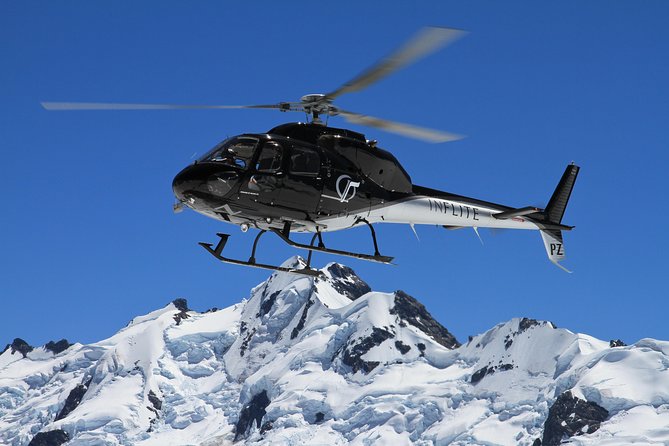
Good weather is essential. The helicopter cannot simply fly because you have arrived at the airport. Low cloud, wind, poor visibility, or unsafe glacier conditions can stop the trip.
That can be frustrating, particularly if you have built your day around it. The practical answer is to book this early in your Mount Cook stay rather than on your final morning. That leaves time for a new departure if the operator can move you to another date.
The company has rebooked morning departures for later in the day when weather improved, and it has also helped arrange new dates after road closures. If poor weather cancels the outing, you are offered an alternative date or a full refund. The same applies if the minimum number of participants is not reached, with the option of another experience or a refund.
Do not expect the team to wait indefinitely while conditions improve. Helicopter schedules are tight, and the decision to fly rests with the operator and pilot. That caution is a benefit, even if it makes the day less predictable.
Is the NZ$572.23 price good value?
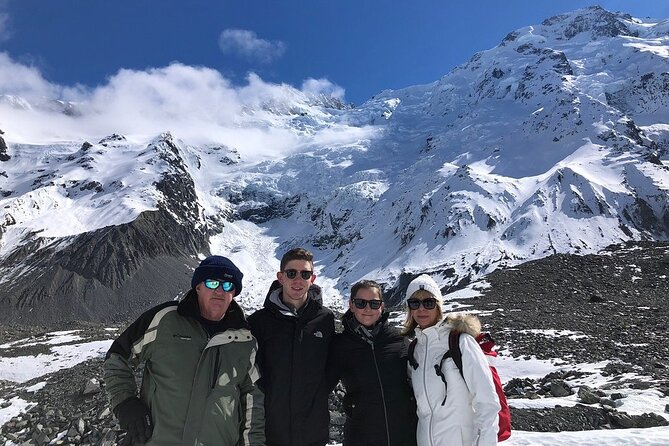
At $572.23 per person, this is a major splurge. You are paying for two helicopter flights, a professional guide, technical equipment, and access to a part of Tasman Glacier that is not practical to reach on foot during a short visit.
The value makes more sense if you want a single, high-impact Mount Cook experience. The outing combines the flight, the mountain views, the landing, the gear, and the guided ice walk. Booking each element separately is not a realistic comparison, since the helicopter is what makes this remote section of the glacier accessible.
It is less compelling if you mainly want a quick scenic flight or a casual walk on snow. There are cheaper ways to see Aoraki and the surrounding mountains, though they will not put you among glacier caves and blue ice formations.
I would consider this a special-occasion purchase. If you are already spending time and money reaching Aoraki Mount Cook, the heli-hike can become the central experience of your visit. If your budget is tight, compare it with your other South Island priorities before committing.
Who will enjoy this most?
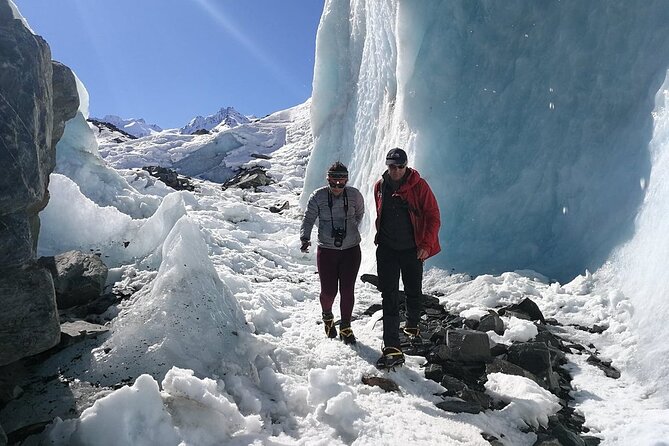
This outing suits you if you want active sightseeing rather than a view from a platform. You should enjoy walking, cold-weather conditions, and a little uncertainty about the exact route.
It is a good fit for:
- Visitors who want close contact with Tasman Glacier
- People who have never taken a helicopter flight
- Photographers who value changing mountain and ice views
- Couples or families with a moderate level of fitness
- Anyone willing to keep a spare day open for weather
- Repeat New Zealand visitors looking for a different Mount Cook experience
It may not suit you if you dislike flying, have very little schedule flexibility, or want a gentle, fully predictable activity. The helicopter is small, the ice is uneven, and the day depends on conditions.
Practical details for your Mount Cook day
Allow about three hours for the full activity, though time on the glacier can vary with weather and ice conditions. The experience starts and finishes at Mount Cook Airport, so plan your own transport to the meeting point at Mount Cook Road.
Bring water and snacks. The operator provides the main technical equipment, but you are responsible for arriving dressed for cold conditions. Warm trousers are required, and jeans are a poor choice.
Confirmation is sent within 48 hours of booking, subject to availability. You can cancel for a full refund up to 24 hours before the start time. Changes made inside that 24-hour window are not accepted, and late cancellation does not qualify for a refund.
The activity has a 98 percent recommendation rate and a 4.9 rating from 92 reviews. More useful than the numbers is the pattern behind them: the strongest praise goes to the pilots, the guides’ safety skills, the quality of the gear, and the chance to explore real ice features rather than simply land, pose, and leave.
Should you book the Tasman Glacier heli-hike?
I would book it if you want the most active and memorable way to experience Aoraki Mount Cook, and if $572.23 fits your budget. The mix of two scenic flights, a remote glacier landing, and a guided walk through changing ice is hard to match in one half-day outing.
Book early in your stay and keep your schedule flexible. Bring proper layers, arrive well before departure, and accept that the weather may have the final say. If those conditions work for you, this is a strong choice for an adventurous Mount Cook visit, especially if seeing blue ice caves, glacier tunnels, and snow fields sounds better than simply admiring them from below.
FAQ
Where does the Tasman Glacier heli-hike start?
It starts at Mount Cook Airport on Mount Cook Road in the Canterbury Region of New Zealand.
Where does the experience finish?
The activity ends back at the Mount Cook Airport meeting point.
How long does the heli-hike take?
The full experience lasts approximately three hours. The amount of time spent on the glacier can vary with weather and conditions.
Are helicopter flights included?
Yes. The experience includes two scenic helicopter flights, one to the glacier and one back to the Mount Cook base.
Is equipment provided?
Yes. The package includes leather boots, wool socks, a waterproof jacket, over-trousers, adjustable walking poles, crampons, and snowshoes in winter when needed. A harness is included if required.
What clothing should I bring?
Bring three or four warm upper-body layers, warm trousers, sunglasses, sun protection, a hat, gloves, water, and snacks. Jeans are not recommended.
How fit do I need to be?
You should have a moderate level of physical fitness. The activity involves walking on snow and ice while using crampons or snowshoes.
What happens if bad weather cancels the trip?
You can choose an alternative date or receive a full refund if poor weather causes the cancellation.
How many people can join the activity?
The maximum group size is 11 people.
More Heli-Hikes around Mount Cook
- Glentanner High Country Heli Hike
★ 5.0 · 52 reviews - Mount Cook: 3-Hour Tasman Glacier Heli-Hike
★ 4.5 · 29 reviews - Mount Cook: Glentanner High Country Heli Hike
★ 5.0 · 7 reviews - Franz Josef Glacier Heli-Hike
★ 4.5 · 618 reviews
Fresh on the helipad around Mount Cook
- Mount Cook: Mountains High 40-Minute Helicopter Flight★ 5.0 · 53 reviews
- Glentanner High Country Heli Hike★ 5.0 · 52 reviews
- Mount Cook Scenic 35 Minute Helicopter Flight★ 5.0 · 6 reviews
- Mount Cook: Alpine Vista Helicopter Flight with Alpine Landing★ 4.5 · 39 reviews
- Mount Cook Alpine Explorer Helicopter Flight with Alpine Landing★ 4.0 · 22 reviews
- 55-Minute Grand Circle Helicopter★ 4.5 · 36 reviews
- Mount Cook: 3-Hour Tasman Glacier Heli-Hike★ 4.5 · 29 reviews
- 25-Minute Helicopter flight including an alpine landing★ 4.5 · 49 reviews
Mount Cook Helicopter Tours, compared.
Mount Cook: Scenic Helicopter Flight with Alpine Landing
Read our review →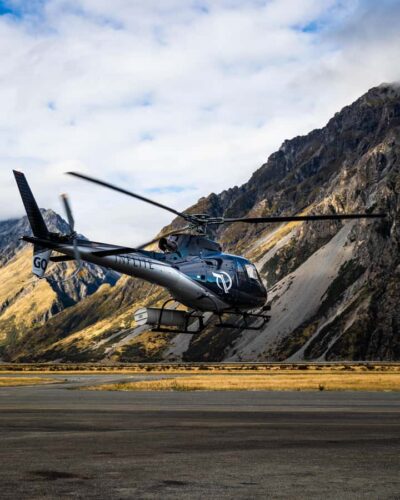
Mount Cook: Ski Plane and Helicopter Glacier Combo Flight
Read our review →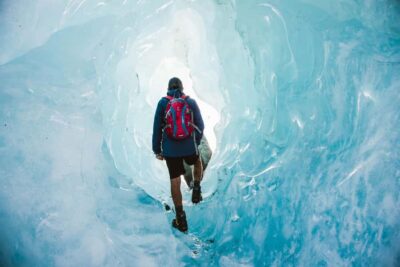
Mount Cook: 3 Hour Heli Hike to the Tasman Glacier
Read our review →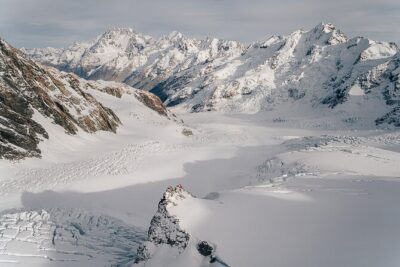
Mount Cook and The Glaciers 55-Minute Helicopter Flight
Read our review →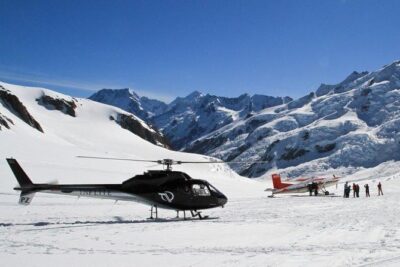
45-Minute Mount Cook Ski Plane and Helicopter Combo Tour
Read our review →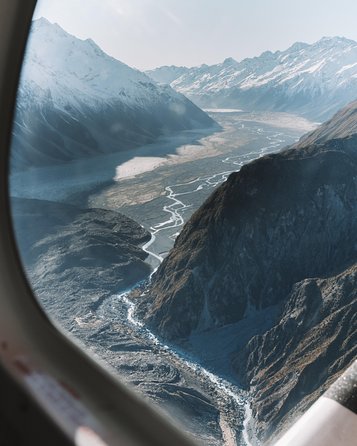
45-Minute Glacier Highlights Helicopter Tour from Mount Cook
Read our review →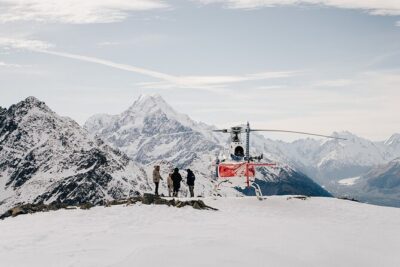
Mount Cook: Mountains High 40-Minute Helicopter Flight
Read our review →
Other lists this flight appears in