Review · KATHMANDU
Everest Base Camp helicopter tour with landing
The big draw is simple: in one morning, you can leave Kathmandu and see Everest, Lhotse, Nuptse, Kala Patthar, and Base Camp from the air without spending two weeks on the trail. You also get a high-altitude landing near Syangboche and time at the Everest View Hotel, a rare way to experience the Khumbu region if long-distance trekking is not for you.
I like the small private group, limited to five people, and the practical safety equipment, including oxygen, a first-aid kit, and an oximeter. I also like the early hotel pickup and airport assistance, since Kathmandu departures can feel confusing before sunrise. The main drawback is the price: at $1,600 per person, this is a major splurge, and the exact landing point near Everest should be confirmed before you pay.
Key points at a glance
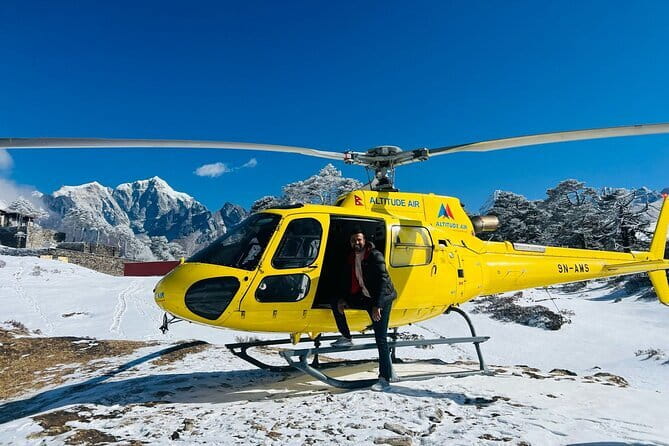
- Five-person maximum: The helicopter ride is private, with space for up to five passengers.
- Early start at 5:30 am: Hotel pickup gets you to the airport before the day becomes busy.
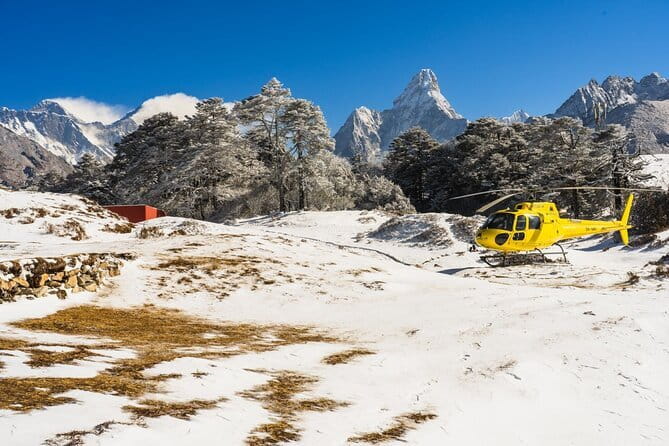
- Syangboche stop: You land near the Everest View Hotel for about an hour, with a chance to experience the high-altitude setting.
- Everest and Kala Patthar from above: The flight route includes aerial views of Base Camp, the Khumbu icefall area, and the region’s highest peaks.
- Safety support included: Oxygen, first-aid equipment, helicopter insurance, and an oximeter are provided.
- Extra costs matter: Breakfast, national park permits, airport tax, and personal travel insurance are not included.
Kathmandu before sunrise: the practical start
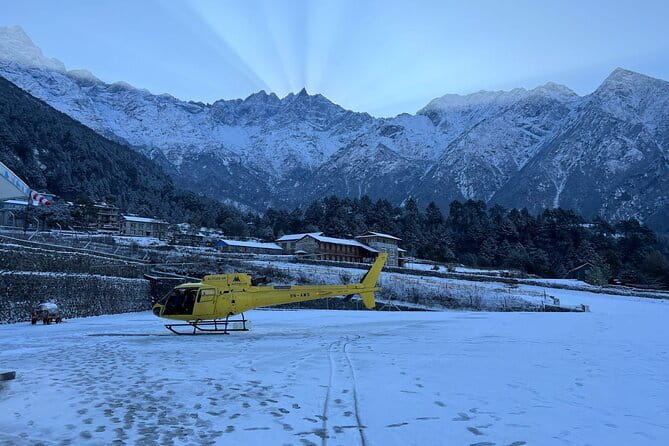
Your day begins with pickup from your Kathmandu hotel at about 5:30 am. That early departure is useful, not merely a scheduling detail. It helps you reach the domestic airport before the morning rush and gives the helicopter a better chance of operating before weather conditions change.
The company arranges private transportation and helps with the airport process. Several accounts describe a quick transfer from the car to the helicopter area, with staff guiding passengers through the early-morning routine. That support is especially useful if you are unfamiliar with Kathmandu’s airport or are carrying camera equipment and warm clothing.
The flight is listed at roughly five to six hours overall, with around five hours of flying and stops along the way. Exact timings can shift because mountain weather controls the schedule. Build no other important activity around this tour, especially if you have an international flight later the same day.
Breakfast is not included. The listed cost is $35, so check what is provided before departure and bring water or a small snack if needed. The national park permits cost $45 per person, and the airport tax is listed as $7 per person. Those additions are modest beside the tour price, but they should still be part of your budget.
More Helicopter Tours with a Landing in Kathmandu
- Everest Helicopter Tour from Kathmandu with Landing for Breakfast
★ 5.0 · 18 reviews - Everest Base Camp Helicopter Tour with Landing
★ 4.5 · 6 reviews - Kathmandu: Everest Helicopter Tour with Landing & Breakfast
★ 5.0 · 5 reviews
The private helicopter and the value of a small group
The helicopter carries up to five passengers, and the experience is described as a private ride rather than a large shared excursion. That makes a real difference in the air. You avoid a crowded cabin and have a better chance of getting a clear window view, though the exact seating arrangement is not specified.
At $1,600 per person, the tour is expensive. The value comes from time saved, privacy, airport transport, safety support, and access to places that would otherwise require a long trek. If you are already planning a multiweek Nepal trip, this can be an efficient way to add the Everest region without giving up several days to acclimatization and trail travel.
It is harder to justify if your main goal is a close connection with village life or the walking route to Base Camp. A helicopter gives you dramatic views, but it cannot reproduce the gradual change in altitude, the long trail days, or the sense of arrival that comes from trekking there.
The helicopter operator mentioned in the experience details is Fishtail Air. The tour company’s contacts include Raj and Khom Raj Adhikari, who are listed in booking communications. The important question is not only who flies the helicopter, but also who will explain the route, handle weather changes, and manage the landings on the day.
Lukla: gateway to the Everest region
The first major stop is Lukla, home to Tenzing-Hillary Airport. The flight schedule allows about 20 minutes during one part of the route and another 25 minutes around the Lukla landing and departure sequence. This is a working mountain airport and the usual starting point for trekkers heading toward Everest.
From the air, Lukla gives you your first strong sense of how steep and compact the Everest region is. The airport is famous for its short mountain runway, though the tour information does not promise a formal airport visit or extended time on the ground. Think of Lukla mainly as a refueling and route stop.
That distinction matters. Some descriptions refer to landing at Lukla, while the main experience centers on views and high-altitude stops farther north. Your time here may be brief, so do not book this expecting a village tour, shopping time, or a long meal in Lukla.
The route then continues over the Khumbu region. The helicopter provides broad views of the peaks, glaciers, and valleys, but mountain visibility is never guaranteed. A clear day can transform the experience. Cloud, wind, or poor visibility can limit what you see and can force changes to the plan.
Everest Base Camp and Kala Patthar from above
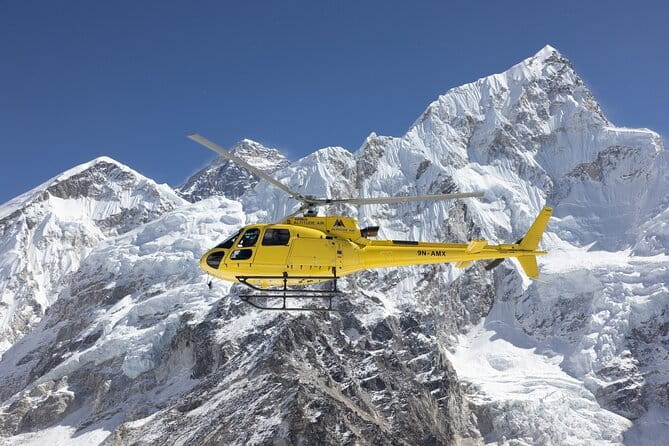
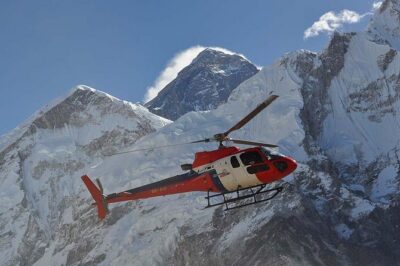
One of the strongest parts of the flight is the aerial pass over Everest Base Camp and Kala Patthar. From above, you can look down on the famous trekking route, the clustered tents at Base Camp during climbing season, and the ice-covered terrain around the Khumbu icefall.
Kala Patthar is especially important because it is one of the classic viewpoints in the Everest region. The itinerary allows about 30 minutes for the flyover and nearby mountain views. You should expect a fast-moving sequence of changing angles rather than a long stop at each landmark.
The flight brings you close to Everest, Lhotse, and Nuptse, with a guide or pilot pointing out the peaks. If you want photographs, keep your camera ready before the aircraft reaches the main viewing areas. Reflections, rotor movement, and window angles can make shooting harder than expected, so look first and take pictures second.
There is one detail you should clarify before booking. The experience is marketed as an Everest Base Camp helicopter tour with landing, and the description refers to a high-altitude landing. The itinerary specifically confirms a landing at Syangboche near the Everest View Hotel, while some of the wording also refers to flying over Base Camp and Kala Patthar. Ask the operator directly if your date includes an actual landing at Kala Patthar or Everest Base Camp, or only an aerial pass over those sites.
That is not a minor distinction. A flyover gives you extraordinary views, but a landing lets you step out, feel the altitude, and spend time on the ground. Weather, local rules, helicopter performance, and passenger weight can all affect the final plan.
More Helicopter Tours with a Landing in Nepal
- Mount Everest Helicopter Tour with Landings
★ 5.0 · 2 reviews - Everest Helicopter Landing Tour (Seat Sharing Basis) !
★ 5.0 · 2 reviews - Kathmandu: Everest Base Camp Helicopter Tour with Landings
★ 4.6 · 2 reviews - Helicopter Tour To Annapurna Region with landing at Base Camp
★ 4.5 · 12 reviews
Syangboche and the Everest View Hotel
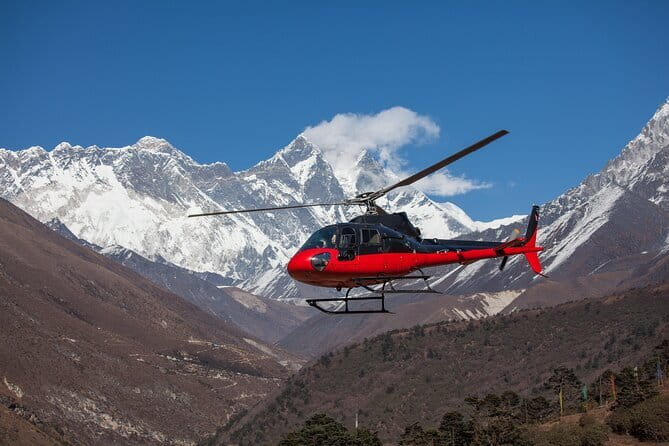
The most substantial ground stop is Syangboche, where the helicopter lands near the Everest View Hotel. You have about an hour here, giving you time to take in the peaks and enjoy the hotel setting.
The Everest View Hotel is known for its position above the Khumbu valley and its views toward Everest. The stop gives you something the helicopter alone cannot: a chance to stand outside in the thin mountain air and let the scale of the peaks sink in.
The altitude also creates the trip’s main physical concern. You do not need to be a trekker, but the tour asks for a moderate level of fitness. Even a short walk or a few minutes outside can feel demanding at high elevation, particularly if you are not acclimatized.
The company carries oxygen and a first-aid kit, and an oximeter is available to check pulse, oxygen saturation, and heart rate. That is reassuring, but equipment does not remove the risks of altitude. Follow the guide’s instructions, avoid rushing, and tell the staff at once if you feel unwell.
The tour description mentions a gourmet mountain picnic, while the separate cost information lists breakfast at $35. Confirm exactly what food is included and where it will be served. The hotel stop may be the most comfortable place to eat, but the published details do not fully define the meal arrangement.
Safety, weather, and passenger limits
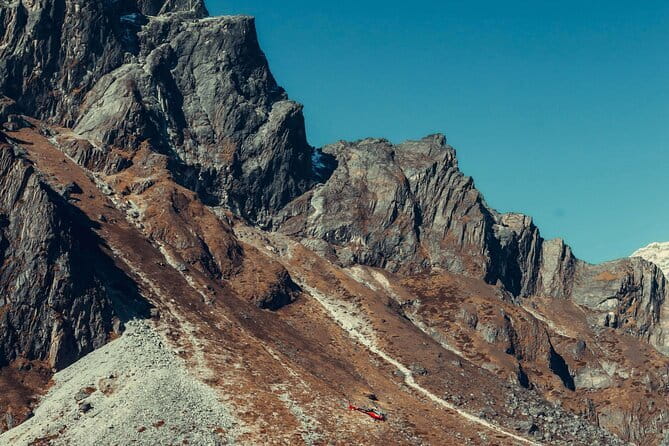
Mountain helicopter tours depend heavily on weather. The operator can cancel for poor conditions and offer another date or a full refund. That policy is helpful, but it does not guarantee that every scheduled route will operate exactly as advertised on a particular morning.
The included helicopter insurance covers passengers, and the service fees for the oxygen tank and first-aid kit are included. You still need your own travel insurance, since it is specifically excluded from the price. Check that your policy covers helicopter sightseeing and high-altitude activities.
Passenger weight limits deserve careful attention. The stated total weight per passenger is 207 pounds, or about 94 kilograms. The additional information also says passengers over 100 kilograms will pay extra. Since those figures do not match perfectly, contact the company with your accurate weight before booking rather than leaving it for airport check-in.
Wear warm layers and practical shoes, but keep luggage small. The provided information does not give a baggage allowance, and a helicopter cabin has limited room. A compact day bag, sunglasses, sunscreen, water, and a camera are sensible choices.
Returning through Lukla to Kathmandu
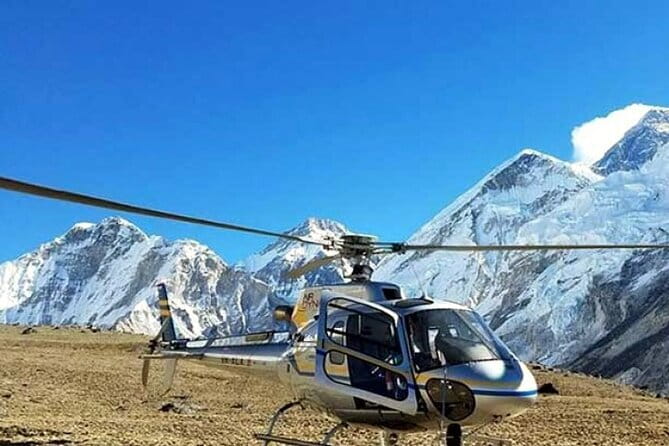
After the mountain viewing and Syangboche stop, the helicopter returns via Lukla before flying back to Kathmandu. The Lukla departure offers one final look at the Everest region and gives the journey a natural pause before the return leg.
The flight back can feel less exciting than the outward route, but it is still part of the value. You are not facing a long road journey or a separate domestic flight connection. The same private helicopter takes you back to Kathmandu, and private transportation is included for the airport transfer.
The tour lasts about five to six hours, but do not treat that as a guaranteed door-to-door schedule. Mountain operations can run late, and the itinerary includes several stops. If you have a hotel checkout, domestic connection, or international departure, leave a generous buffer.
Who will get the most from this tour
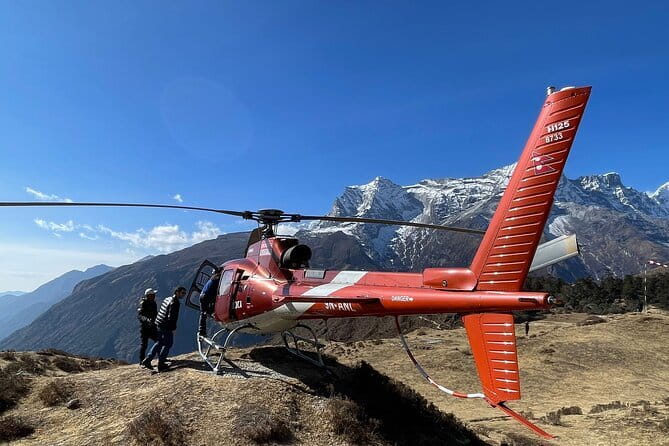
I would recommend this experience to you if you have limited time in Nepal, cannot manage a long trek, or want a high-impact mountain flight with a small group. It also suits people who value private transport and help with the airport process.
It is a good fit for photographers, though changing weather and helicopter windows can make photography unpredictable. It also works well for a group of friends or family members who can share the cost of a private aircraft.
I would think twice if you are uncomfortable with early starts, high altitude, uncertain weather, or large extra expenses. You should also reconsider if your main aim is to walk to Base Camp. The helicopter shows you the region quickly, but it does not replace the trail experience.
Should you book the Everest Base Camp helicopter tour?
Book it if you want the Everest region in a single day and can accept the cost. The combination of a five-person private helicopter, Lukla, aerial views of Everest and Base Camp, a Syangboche landing, hotel pickup, oxygen support, and a return flight is efficient and powerful.
Before paying, confirm three things in writing: the exact landing point, the meal arrangement, and the final price based on your weight and permits. Also check the weather cancellation terms and leave your day open after the tour.
If you want the closest practical substitute for a trek without spending weeks on the trail, this is a strong choice. If you want village contact, slow travel, and the satisfaction of walking into the Everest region, spend your money on a trek instead.
FAQ
How long does the Everest Base Camp helicopter tour take?
The experience lasts approximately five to six hours. The listed flight time is about five hours, but the schedule can change because of mountain weather and operating conditions.
What time does hotel pickup begin?
Pickup begins at approximately 5:30 am from your hotel in Kathmandu.
How many people can join the helicopter ride?
The private helicopter can carry up to five travelers per ride.
Does the tour land at Everest Base Camp?
The experience is promoted as a helicopter tour with landing, and it includes a confirmed landing at Syangboche near the Everest View Hotel. The itinerary also describes aerial views of Everest Base Camp and Kala Patthar. Ask the operator to confirm if your booking includes an actual landing at Base Camp or Kala Patthar.
Is breakfast included?
No. Breakfast is not included, and the listed breakfast cost is $35.
What extra fees should I budget for?
The national park permits cost $45 per person, and the Tribhuvan International Airport tax is listed at $7 per person. Travel insurance is also not included. Passengers over 100 kilograms may have an additional charge.
What happens if bad weather cancels the tour?
If poor weather causes cancellation, you can choose another date or receive a full refund. For other cancellations, you must cancel at least 24 hours before the start time for a full refund.
More Himalaya Helicopter Flights around Kathmandu
- Everest Base Camp Helicopter Tour landing at Everest View Hotel
★ 5.0 · 668 reviews - Everest Base Camp Helicopter Tour landing at Hotel Everest View
★ 5.0 · 218 reviews - Everest Base Camp Trek with Helicopter Return from Gorakshep to Lukla
★ 5.0 · 161 reviews - Everest Base Camp Helicopter Tour with Hotel Everest View Landing
★ 5.0 · 52 reviews
Fresh on the helipad around Kathmandu
- Guaranteed Landing at Everest Base Camp Kalapathar by Helicopter★ 5.0 · 38 reviews
- Day Tour to Everest Base Camp By Helicopter★ 5.0 · 16 reviews
- Everest Base Camp Helicopter Tour with Hotel Everest View Landing★ 5.0 · 52 reviews
- Kathmandu To Lukla By Helicopter Flight★ 5.0 · 6 reviews
- Mount Everest Helicopter Tour with Landings★ 5.0 · 2 reviews
- Langtang Helicopter Tour★ 5.0 · 6 reviews
- Mount Everest Scenic Helicopter Tour★ 5.0 · 6 reviews
- Everest Base Camp Tour & View Point by Helicopter from Katmandu★ 5.0 · 3 reviews
Kathmandu Helicopter Tours, compared.
Everest Base Camp Helicopter Tour landing at Everest View Hotel
Read our review →Everest Base Camp Trek with Helicopter Return from Gorakshep to Lukla
Read our review →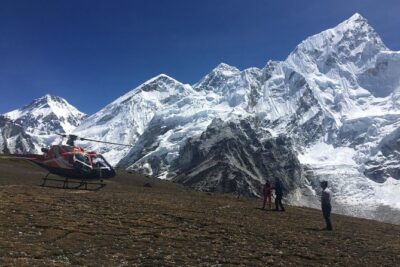
Guaranteed Landing at Everest Base Camp Kalapathar by Helicopter
Read our review →
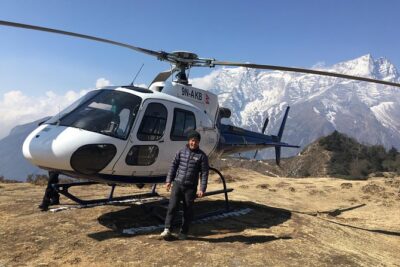
Landing Private Helicopter at Everest base camp & Gokyo for photo
Read our review →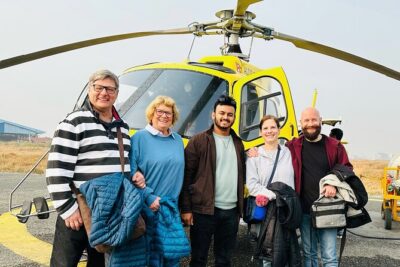
Everest Base Camp Helicopter Tour with Stop at Everest View Hotel
Read our review →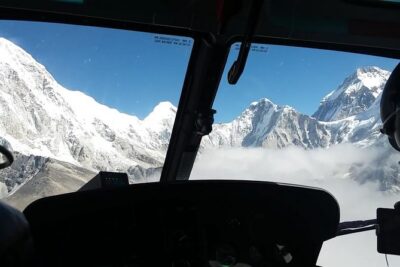
Everest Helicopter Tour from Kathmandu with Landing for Breakfast
Read our review →