
Review · REYKJAVIK
Iceland Volcanic Eruption Area Helicopter Tour from Reykjavík
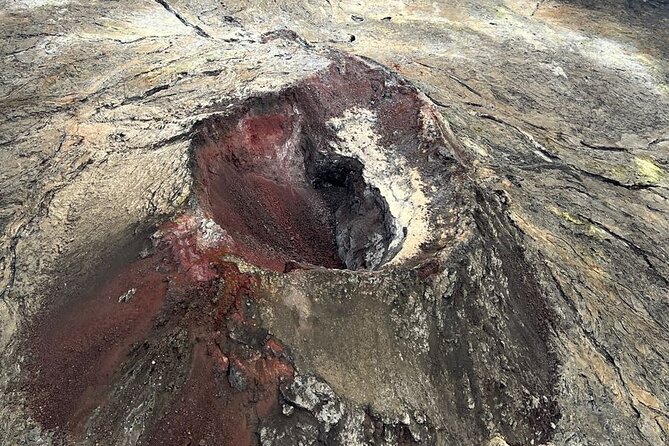
The best part of this tour is the chance to see Iceland’s newest volcanic ground from the air, then possibly land beside a fresh lava field. From a small helicopter, the Reykjanes Peninsula becomes a record of fire and ice: smoking craters, black lava, lakes, fissures, and broad empty ground stretching toward the sea.
I like the small group size, with no more than five passengers, and the way pilots often make several passes so each person gets a fair look. I also like the mix of volcano and city views. You do not spend the whole flight staring at one crater. You see Reykjavík, Faxaflói Bay, and the long sweep of the peninsula too.
The catch is simple: volcanic activity and weather control the show. Lava may stop flowing before your flight, clouds or wind may cancel the trip, and the actual helicopter time is short. At about $592.82 per person, this is a major splurge, not a casual sightseeing ride.
Key points to know before takeoff
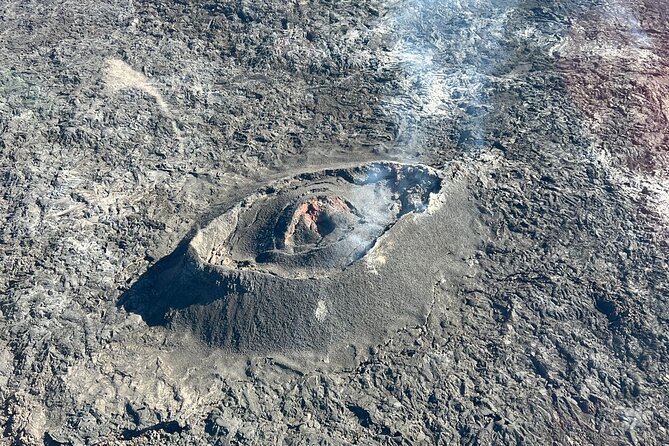
- Fresh volcanic ground: Fly over eruption sites on the Reykjanes Peninsula, including areas shaped by eruptions since 2021.
- Possible lava-field landing: Some flights land near a crater or recent lava flow, allowing time to walk on solidified lava.
- Up to five passengers: The small cabin gives you a more personal flight, but front seats are not guaranteed.
- Pilots add geological context: Laura, Robert, Oliver, and Aleksander have explained eruption dates, crater types, fissures, and Reykjavík landmarks.
- Weather matters greatly: Poor conditions can lead to a rescheduled flight or full refund.
- Short but packed outing: Expect roughly 35 to 45 minutes, beginning and ending at the Glacier HeliACE FBO in Reykjavík.
Flying over the Reykjanes Peninsula from Reykjavík
The tour starts at Glacier HeliACE FBO, at Nauthólsvegur 101 in Reykjavík. The base is near public transportation, but hotel pickup and drop-off are not included, so you need to make your own way there.
Once airborne, the city quickly gives way to open ground and volcanic formations. The Reykjanes Peninsula sits about 30 kilometers from Reykjavík and is one of Iceland’s most active volcanic areas. More than 50,000 earthquakes have been recorded in the region in recent years, and several eruptions have reshaped it since 2021.
From ground level, a lava field can look like a confusing mass of black rock. From above, its patterns make more sense. You can see where the lava spread, how it followed the contours of the ground, and how newer flows differ from older volcanic areas. A helicopter also gives you a better sense of scale than a roadside viewpoint.
The flight may include several passes around an eruption site. That matters in a small helicopter because nobody wants to spend a costly flight looking at the back of another passenger’s head. One pilot flew repeated circuits around an active fissure, while other flights made several approaches so everyone could see the crater or lava clearly.
The active status of the volcano is not guaranteed. Some flights have seen red lava and molten rock shooting from a fissure. Others have found that the eruption ended days earlier, leaving smoking craters, warm rock, and fresh black lava. Both conditions can be striking, but they are not the same experience. Book this for access to a changing volcanic zone, not for a promise of glowing lava.
More Volcano Flights around Reykjavik:
- From Reykjavik: New Volcanic Area Helicopter Tour
★ 4.8 · 500 reviews - Helicopter Tour Over Iceland’s Reykjanes Volcano Eruption Site
★ 5.0 · 68 reviews - Reykjavik: 45-Minute Volcano Sightseeing Helicopter Tour
★ 4.6 · 45 reviews
What the volcanic stop can look like
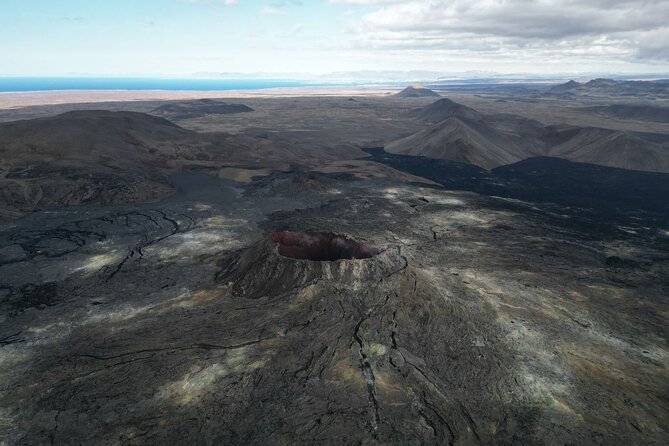
The most valuable part of the flight is the chance to land near recent volcanic ground. When conditions allow, you may step onto a lava field from the 2021 eruption or another recent flow. Solidified lava may still hold heat, and sulphuric gas can continue to vent from cracks.
That landing changes the experience. An aerial view gives you scale and drama, but walking beside the lava lets you notice texture, color, warmth, and smell. You may see jagged rock, smooth cooled surfaces, crater rims, and pale fumes rising from the ground. The setting is stark and exposed, with little softening the force of the volcanic material.
Some flights have landed close to a crater, giving passengers time to change places and enjoy the view from different angles. This is particularly useful in a group of five, since the best view from the ground is not tied to your seat in the helicopter.
The landing is not automatic. The pilot decides based on safety, weather, volcanic conditions, and the day’s flight plan. If you do not land, the flight can still include excellent views of past eruption sites and volcanic craters. Still, anyone choosing this tour mainly for a walk on lava should understand that this feature depends on conditions.
Aerial views of Reykjavík and Faxaflói Bay
The volcano is the headline, but the city portion gives the tour a useful second act. From above, Reykjavík’s colorful rooftops meet the blue water of Faxaflói Bay, with the coastline forming a clear edge between the built-up city and Iceland’s open ground.
You get a quick sense of how compact Reykjavík is. The city looks orderly from above, while the peninsula soon becomes broad, dark, and irregular. That contrast helps explain Iceland’s character better than either view alone. Urban life sits close to raw volcanic territory.
City views also make this a good choice for a first or last day in Reykjavík. Early in a trip, the flight can help you understand the country’s geography before you set out by road. On a final day, it gives you a memorable farewell without requiring a long drive.
The city segment is not the main event, so do not expect a long sightseeing flight over every Reykjavík landmark. It is part of a compact volcanic excursion. The value comes from seeing the city in relation to the peninsula, bay, and wider volcanic region.
The pilots make a real difference
The pilot is both your flight crew and your guide. You can expect commentary on the area’s geology, the dates and types of eruptions, crater formations, and the features visible below.
Laura has been praised for combining clear explanations with a smooth flight. Robert has landed near a crater and pointed out details that helped passengers take better photographs. Oliver has provided geological background during a landing at the 2021 eruption site, while Aleksander has explained eruption time frames and the differences between volcanic events.
These details matter because the ground below can look abstract without context. A pilot who explains which flow is newer, where a fissure opened, or why a crater has a particular shape turns a scenic flight into a short lesson in active geology.
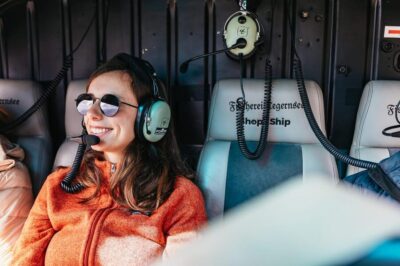
The cabin is small, so the atmosphere may feel personal. You are not in a large sightseeing aircraft with dozens of people. At the same time, you share the space with other passengers, and seating arrangements are controlled by the pilot. A passenger who expects to choose the front seat may be disappointed. The pilot decides where people sit, and front seating is not guaranteed.
More Helicopter Tours around Reykjavik:
- 1-Hour Helicopter Tour in Iceland: The Geothermal Tour
★ 4.9 · 263 reviews - Helicopter Tour with Mountain Summit Landing from Reykjavik
★ 5.0 · 243 reviews - Helicopter Flight Over Geothermal Landscapes from Reykjavik
★ 5.0 · 154 reviews - From Reykjavik: Fire And Ice Helicopter Tour with 2 Landings
★ 4.8 · 103 reviews
How long is 35 to 45 minutes?
The stated duration is about 35 to 45 minutes, including the flight over Reykjavík and the volcanic area. That is enough time for a strong overview, but it is not a full-day excursion or an extended landing expedition.
The actual time near the volcano can vary. Some flights have made repeated passes around an eruption for several minutes. Others have spent a few minutes at old eruption sites or landed near a crater. Weather, volcanic activity, and safety conditions shape the route.
A short helicopter flight can feel longer because the views change quickly. You are not waiting through a long road transfer, and the peninsula is close to Reykjavík. That makes the tour practical for a morning, afternoon, or evening plan, provided you leave room for possible schedule changes.
Multiple departure times help with planning. I would still avoid booking this immediately before a fixed airport transfer, restaurant reservation, or another paid activity. Flights may run late, and weather can force a change.
Weather and volcanic uncertainty
Iceland’s weather is the biggest practical issue. Wind, cloud, or poor visibility can cancel a flight even when the forecast looked acceptable earlier in the day. A cancelled trip may be moved to another date, or you can receive a full refund if the operator cannot run it.
Several flight plans have required rescheduling because of weather. In some cases, the operator called passengers in the morning and worked to find another time. In others, two attempts were cancelled and a refund was offered promptly. This is good protection, but it may not help if you are leaving Reykjavík that same day.
I recommend booking early in your Iceland trip when possible. That gives you a better chance of moving the flight by a day or two. The idea is especially important here because clear weather is not just a comfort issue. It determines whether you can see the volcanic features and whether the helicopter can safely land.
The same uncertainty applies to the eruption. An active fissure can stop flowing. A dormant crater can still smoke. Recent lava fields remain visually powerful even after the red glow is gone, but your expectations should match the natural conditions rather than the most dramatic photographs.
Is the $592.82 price worth it?
At $592.82 per person, this is expensive by normal sightseeing standards. The price includes the helicopter tour and fuel surcharge, but not food, drinks, or transportation to and from the FBO.
You are paying for access and perspective rather than duration. A helicopter reaches the Reykjanes volcanic zone quickly, gives you a view that roads cannot provide, and may land you beside recent lava. The small maximum group of five also makes the outing more personal than a large coach tour.
I think the price makes the most sense for a photographer, a geology enthusiast, or someone marking a major occasion. It also suits a visitor who has already seen Iceland from the road and wants a different way to understand the country.
The value is weaker if you need a guaranteed active eruption, a long walk, or a full day of sightseeing. You could spend the same money on several other Iceland activities. This tour earns its price only if the aerial view and possible lava landing are central to your trip.
Who should book this helicopter tour?
I would recommend it most strongly to people who enjoy natural forces, photography, and unusual viewpoints. Teenagers have also responded well to the experience, including one first-time helicopter passenger who was nervous about heights but found the flight worthwhile.
You should also consider it if you have limited time in Reykjavík. The volcanic area is close to the city, and the tour avoids a long road journey. You can see recent eruption sites, the coast, and Reykjavík in less than an hour.
This may not suit you if you are very uncomfortable with helicopters or need a guaranteed schedule. Seating cannot be selected freely, and the trip may be cancelled or postponed by weather. The flight is smooth when conditions cooperate, but a helicopter remains a small aircraft with limited cabin space.
For photographers, carry your expectations along with your camera. You may get striking views of craters, lava, and the city, but reflections, seat position, weather, and flight direction can affect your shots. The pilot typically works to give everyone repeated looks, which helps.
Booking, meeting point, and cancellation details
Your meeting point is Glacier HeliACE FBO at Nauthólsvegur 101, 105 Reykjavík. The tour returns to the same place, and hotel transportation is not included. A mobile ticket is provided, and the experience is offered in English.
The maximum group size is five passengers. A total passenger weight limit of 243 pounds is specified, so check how the operator applies that limit to your booking. Most people can participate, but you should raise any concerns about mobility, height, or flight comfort before departure.
You can cancel for a full refund up to 24 hours before the scheduled start time. Changes or cancellations inside that 24-hour window are not accepted for a refund. If bad weather cancels the flight, you are offered another date or a full refund. The same choice applies if the minimum number of passengers is not met.
Should you book it?
Book this tour if you want the best chance of seeing Iceland’s newest volcanic ground from above and possibly walking on cooled lava. The small group, repeated passes, strong pilot commentary, and short transfer from Reykjavík make it an efficient splurge.
I would book it near the beginning of your stay, keep the rest of that day flexible, and accept that the volcano may be quiet. If a guaranteed active eruption is more important to you than the flight itself, do not spend this much without understanding the risk. If you can accept nature’s schedule, this is one of the more memorable ways to connect Reykjavík with the powerful volcanic country around it.
FAQ
Where does the helicopter tour begin?
It begins at Glacier HeliACE FBO, Nauthólsvegur 101, 105 Reykjavík, Iceland.
Where does the tour end?
The activity ends back at the same meeting point in Reykjavík.
How long does the helicopter flight last?
The tour lasts approximately 35 to 45 minutes.
How many people can join the tour?
The maximum group size is five travelers.
Does the tour include hotel pickup and drop-off?
No. Hotel pickup and drop-off are not included.
Is the tour offered in English?
Yes. The experience is offered in English.
Will I definitely see an active lava eruption?
No. Volcanic activity can change, and eruptions may stop before your flight. You may instead see recent lava fields, craters, smoking ground, and older eruption sites.
Can the helicopter land near the lava?
A landing near a lava field or crater may be possible, depending on weather, safety, and volcanic conditions. It is not guaranteed on every flight.
What happens if bad weather cancels the tour?
You are offered a different date or a full refund if poor weather prevents the flight.
Fresh on the helipad around Reykjavik
- Reykjavik Helicopter Private Tour of Volcanoes★ 5.0 · 37 reviews
- Helicopter Tour: Reykjavik City with landing at Mount Esja★ 5.0 · 9 reviews
- Helicopter tour from Reykjavik: Hengill Area with at site landing★ 5.0 · 15 reviews
- Private Helicopter Tour in Hengill Geothermal Area with Landing★ 5.0 · 2 reviews
- Landmarks from Above: Helicopter tour with 3 Landings★ 5.0 · 2 reviews
- ATV & Helicopter Adventure Tour from Reykjavik★ 5.0 · 24 reviews
- Reykjavik: 45-Minute Volcano Sightseeing Helicopter Tour★ 4.6 · 45 reviews
- Landmannalaugar: Helicopter tour with 3 Landings★ 5.0 · 3 reviews
Reykjavik Helicopter Tours, compared.
From Reykjavik: New Volcanic Area Helicopter Tour
Read our review →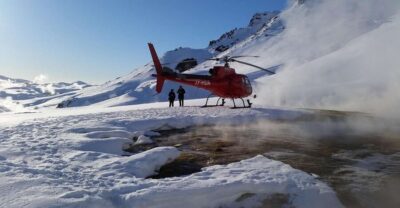
1-Hour Helicopter Tour in Iceland: The Geothermal Tour
Read our review →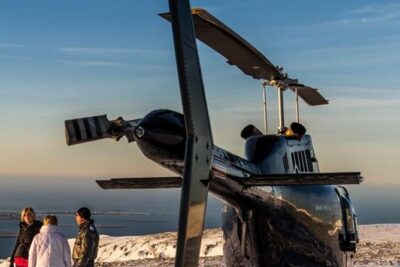
Helicopter Tour with Mountain Summit Landing from Reykjavik
Read our review →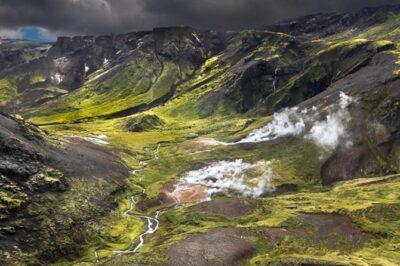
Helicopter Flight Over Geothermal Landscapes from Reykjavik
Read our review →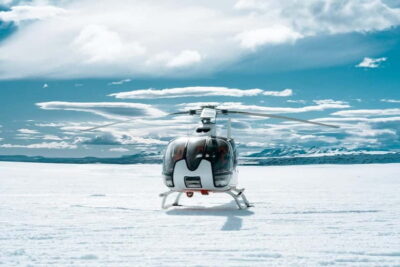
From Reykjavik: Fire And Ice Helicopter Tour with 2 Landings
Read our review →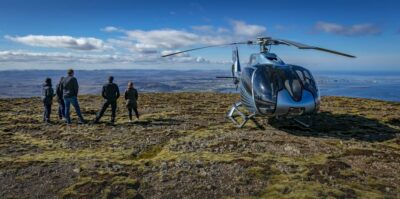
Reykjavik: Panoramic Helicopter Flight with Summit Landing
Read our review →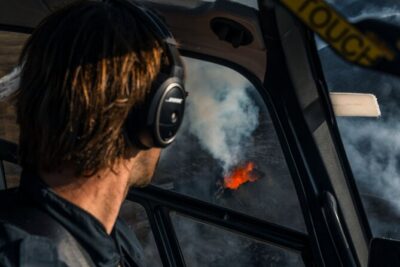
Helicopter Tour Over Iceland’s Reykjanes Volcano Eruption Site
Read our review →
Fire and Ice Helicopter Tour: Glacier and Hengill Geothermal Area
Read our review →Other lists this flight appears in