
Review · KATHMANDU
Everest Base Camp Trek | Deluxe Lodges | Both Way Helicopter Ride
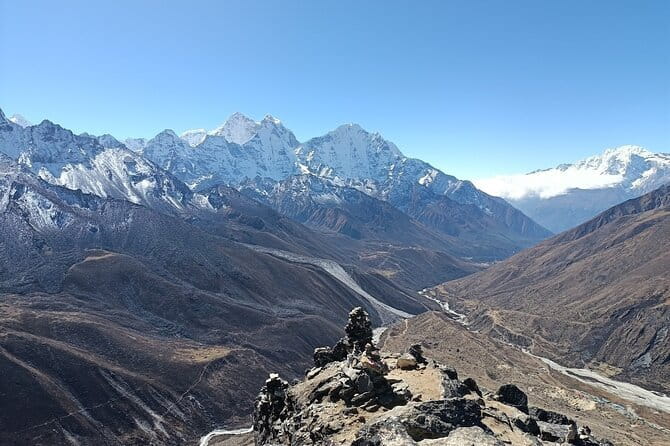
The big attraction here is simple: you walk into Everest country and fly out from near Base Camp. This 10-day schedule trims the usual trek while keeping two acclimatization days, a sunrise climb to Kala Patthar, and the classic Sherpa villages along the route.
I like the shared helicopter flights, which avoid the long road journey and reduce the risk of a delayed fixed-wing flight from Kathmandu to Lukla. I also like the practical inclusions: meals, permits, a porter for every two people, sleeping bags, down jackets, and emergency coordination are all built in. The catch is the altitude. This is still a demanding trek, and the short schedule leaves less room for bad weather or a slow adjustment.
Key points at a glance
- Helicopter access in both directions: Fly from Kathmandu to Lukla, then return by helicopter from Gorakshep to Lukla and onward to Kathmandu.
- Two planned acclimatization days: Spend time in Namche and Dingboche, with hikes designed to help you adjust to altitude.
- Everest Base Camp plus Kala Patthar: Reach the famous base camp and climb early for sunrise views of Everest.
- Strong practical support: A licensed guide, porters, permits, meals, lodge accommodation, warm clothing, and first-aid equipment are included.
- Named staff to ask about: Tika, Pramod, Promod, and Rabin are names associated with the company’s guiding and coordination.
- A short but serious trek: The pace suits fit walkers with limited time, not anyone looking for a gentle mountain holiday.
What the $3,332 price really covers
At $3,332 per person, this is not a budget tea-house trek. The cost makes more sense when you count the helicopter flights, which are usually the largest single expense in a fast Everest itinerary.
The package includes a shared helicopter from Kathmandu to Lukla, a helicopter from Gorakshep to Lukla, and the onward flight from Lukla to Kathmandu. It also covers two nights in a three-star Kathmandu hotel, twin-share lodge accommodation during the walk, breakfast for all 10 days, and eight lunches and dinners.
You also receive a licensed trekking guide, one porter for every two people, staff wages, staff food, transport, and accidental insurance for the guide and porters. Your own travel insurance is not included, and it must cover trekking and rescue or evacuation up to 5,500 meters.
The permit fees are covered, including the Sagarmatha National Park permit and the Pasang Lhamu Rural Municipality fee. A duffel bag, T-shirt, trail map, first-aid kit, pulse oximeter, sleeping bag rated to minus 20 degrees Celsius, and warm down jacket are supplied for use during the trip.
That is a solid bundle. I would still ask for a written breakdown of the helicopter arrangements before paying, especially because the description uses both shared helicopter and both-way helicopter language. Clarify exactly which flights are included if weather changes the route.
More Himalaya Helicopter Flights around Kathmandu:
- Everest Base Camp Helicopter Tour landing at Everest View Hotel
★ 5.0 · 668 reviews - Everest Base Camp Helicopter Tour landing at Hotel Everest View
★ 5.0 · 218 reviews - Everest Base Camp Trek with Helicopter Return from Gorakshep to Lukla
★ 5.0 · 161 reviews
Day 1: A soft landing in Kathmandu
Your first day begins with airport pickup at Tribhuvan International Airport. A representative takes you by car or van to the hotel in Kathmandu, where you can rest after your international flight.
The meeting point is Life Himalaya Trekking at Narsingh Chowk Marg in Kathmandu. The package includes one hotel night before the trek and one after it, with breakfast. Lunch and dinner in Kathmandu are your responsibility.
This arrival day matters more than it sounds. You can meet the team, check your gear, and confirm the next morning’s helicopter transfer without trying to solve everything after a long flight. Use this time to ask about luggage limits: the stated allowance is 10 kilograms for a main bag and 5 kilograms for a hand bag.
Day 2: Helicopter to Lukla, then the first walk
The helicopter flight from Kathmandu to Tenzing-Hillary Airport in Lukla takes about 45 minutes. The route offers views toward Everest and Kanchenjunga, and the landing itself puts you directly at the start of the Khumbu trek.
From Lukla, you walk toward Phakding along the Dudh Koshi River. The first stretch is intended to be gentle, giving your body a chance to begin adjusting before the trail gets steeper.
The description gives a very long overall duration for this day, so I would confirm the actual walking hours with the company. The useful point is that the first hike is not meant to be a major altitude test. Phakding is a sensible first stop because you begin walking at once without forcing a long climb.
Day 3: Suspension bridges and the climb to Namche
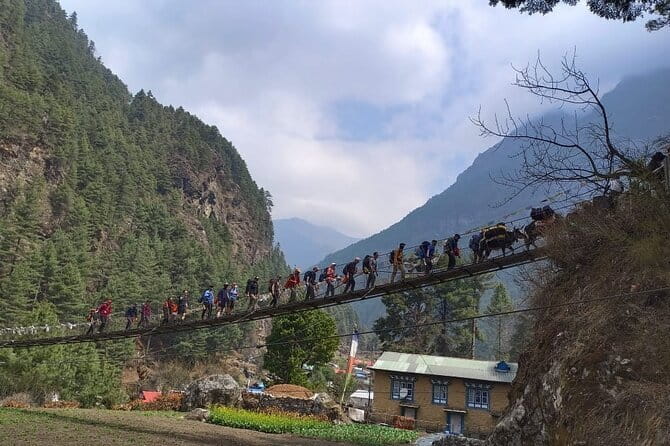
The route follows pine forest beside the Dudh Koshi and passes Benkar village before reaching Monjo and the entrance area for Sagarmatha National Park. You cross the Hillary Bridge, one of the memorable suspension bridges on the approach to Namche Bazaar.
The final ascent to Namche is the day’s real test. The trail climbs toward the confluence of the Dudh Koshi and Bhote Koshi rivers, and the first glimpse of Everest may appear above the Lhotse and Nuptse range.
Namche sits at about 3,440 meters. It is more than a stop for sleep. You will find restaurants, shops, massage centers, and spa services, though you should not expect city-level choice or convenience. The village gives you a useful chance to rest before the trail gets higher.
More Heli-Hikes around Kathmandu:
- Everest Base Camp Trek with Helicopter Return to Lukla – 10 Days
★ 5.0 · 34 reviews - Everest Base Camp Trek with Helicopter Return -11 Days
★ 5.0 · 12 reviews - Helicopter Return Everest Base Camp Trek, KTM-LUKLA & Gorakshep-KTM by Heli
★ 5.0 · 9 reviews - Everest Base Camp Trek with Helicopter Return – 10 Days
★ 5.0 · 9 reviews
Day 4: Acclimatization around Syangboche and Khumila
This is the first planned acclimatization day. Instead of simply staying in Namche, you hike toward Syangboche beneath Khumila Peak, then return to Namche to sleep lower.
The route includes the Everest View Hotel at about 3,880 meters. You can stop for coffee with views toward Everest, Ama Dablam, and Lhotse. The admission fee for the hotel is not included, so carry some local cash if you want to use it.
I like this design because it follows the basic climb-high, sleep-low principle. You get a higher look at the mountains without giving up a night at Namche. The day also helps break up the sharp altitude gain between Lukla and the upper Khumbu.
Day 5: Tengboche and its famous monastery
After breakfast, you continue along the Dudh Koshi before crossing into the Imja Khola Valley. The route includes another long suspension bridge and leads to Tengboche Gompa.
Tengboche is one of the most important cultural stops on the trek. The monastery gives the walk a stronger sense of place than a simple sequence of mountain lodges. You are not only walking toward a famous peak, you are passing through Sherpa communities shaped by Buddhist practice and high mountain trade.
The day is listed at about five hours of walking. That sounds manageable, but altitude makes ordinary climbs feel slower. Keep your pace even, drink regularly, and let the guide set the rhythm.
Day 6: Pangboche and views of Ama Dablam
The trail continues toward Pangboche, including a stop at the Pangboche Buddhist monastery. The route is valued for its views of Ama Dablam, Lhotse, and the surrounding peaks.
Pangboche gives you a closer look at high-altitude village life before the route becomes more severe. The settlement is at a noticeably higher elevation than Namche, so this is a day to watch for headache, unusual tiredness, poor appetite, or trouble sleeping.
The itinerary describes roughly five hours of hiking. I would treat that as an estimate rather than a promise. Mountain weather, trail conditions, and the pace of the group can change the day.
Day 7: Dingboche and the second acclimatization day
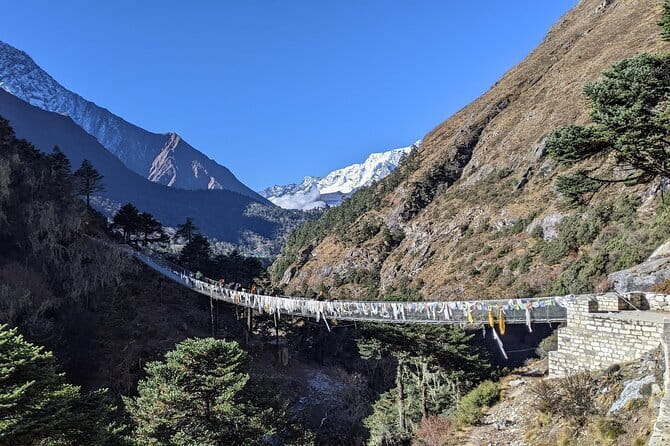
Dingboche is the second planned acclimatization stop. The schedule follows the useful rule of climbing higher during the day and returning to sleep at a lower point, although the exact excursion route should be confirmed with your guide.
The purpose is not sightseeing alone. At this altitude, your body needs time to adjust before the push toward Lobuche and Gorakshep. The schedule is much safer than trying to reach Base Camp in a straight, rushed line.
This is also a good day to check your clothing and sleeping bag. The company supplies a warm down jacket and a minus 20 degree sleeping bag, but you still need suitable personal layers, gloves, socks, footwear, and protection from sun and cold.
Day 8: Dingboche to Lobuche by way of the memorials
The walk to Lobuche is described as relatively light in distance but significant in altitude gain. The trail reaches the broad valley of Dughla and then passes the memorial area near Thukla.
These memorials honor climbers and Sherpa guides who died on Himalayan peaks. It is a quiet, serious place, and it changes the mood of the trek. The route is not only scenic. It reminds you that the high mountain environment carries real risk.
The listed duration is unusually long, so confirm the expected walking time. At this stage, small problems can become large ones. Tell the guide early if you feel unwell, rather than waiting until the final approach to Base Camp.
Day 9: Gorakshep and Everest Base Camp
From Lobuche, you walk for about four hours across glacier terrain to Gorakshep. This is the last settlement on the route and the usual staging point for Everest Base Camp.
You then continue toward Base Camp over rough, rocky ground. The route takes about six hours in total according to the schedule, though the actual time depends on conditions and group pace.
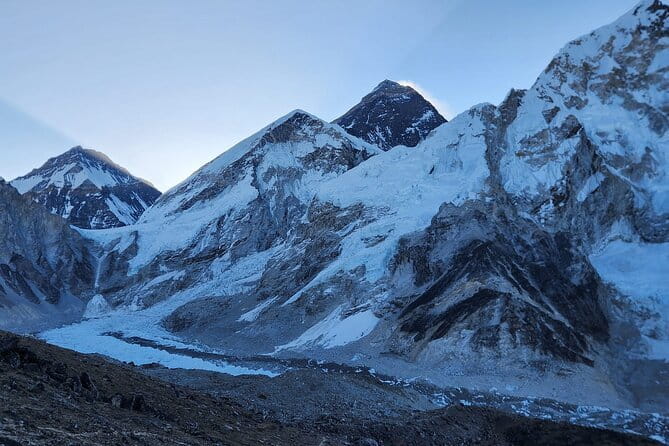
The base camp itself is a major goal, but it is important to set expectations. From this route, you reach the famous expedition staging area, not the summit of Everest. The surrounding ice, stone, prayer flags, and huge peaks make the place memorable, but the view of Everest is often better from Kala Patthar the next morning.
The return to Gorakshep is part of the challenge. You have already gained considerable altitude, and the air is thin. This is where a guide who pays attention to your pace and oxygen readings becomes especially useful.
Day 10: Kala Patthar sunrise and helicopter return
The day begins before sunrise with a climb to Kala Patthar. From the top, you can see Everest and the surrounding peaks in early light, with a wide view across the Khumbu.
This is usually the visual high point of the trip. The climb is short compared with the full trek, but the altitude makes it demanding. Bring warm layers, gloves, and a headlamp if advised by the company, and expect the wind to make the morning feel colder than the walking time suggests.
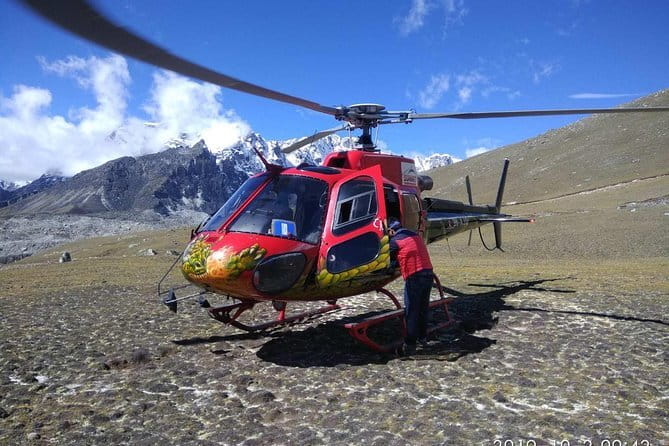
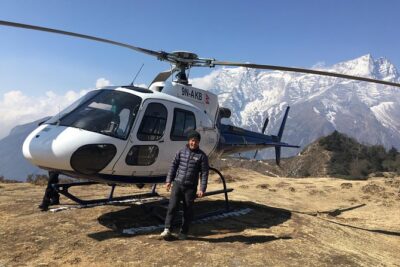
After Kala Patthar, the package includes a shared helicopter from the Everest Base Camp area at Gorakshep to Lukla, followed by the helicopter connection from Lukla to Kathmandu. This is the feature that makes the itinerary possible in only 10 days.
The return flight is also the main point to clarify before departure. The package includes the flight, but helicopters depend on weather and operating conditions. Ask what happens if the aircraft cannot fly from Gorakshep on the planned day, and make sure your insurance covers any rescue or additional accommodation costs.
Lodges, meals, and porter support
The accommodation during the trek is twin-share in the best available lodges. The word deluxe should be understood in mountain terms. You are getting an upgraded lodge arrangement within a remote trekking region, not a full-service hotel with city comforts.
Breakfast is included for all 10 days, along with eight lunches and eight dinners. Beverages, snacks, and all meals in Kathmandu are not included. Carry money for drinks and personal purchases, especially in the higher villages where supplies cost more.
One porter is provided for every two people. That is valuable because it lets you walk with a lighter daypack, but pack with restraint and stay within the stated 10-kilogram main-bag allowance. Your porter is part of the working team, not a reason to bring everything from home.
The guide and porter package includes food, accommodation, transport, equipment, salary, and accidental insurance for the staff. A licensed guide leads the group, and the company supplies an emergency and rescue coordination service. A first-aid kit and pulse oximeter are also carried for the group and staff.
Who will enjoy this trek most
This trip suits you if you have a strong fitness level, limited holiday time, and a clear goal of reaching Everest Base Camp. It is also a good fit if you value helicopter access more than a slower return walk.
The private format means only your own group participates. That can make it easier to adjust the pace and discuss problems with the guide. The company has also shown flexibility around personal travel styles, so ask in advance how much the daily pace can be adjusted.
Names associated with the guiding team include Tika, Pramod, Promod, and Rabin. Staff assignments can change, so treat these as useful names to ask about rather than a guarantee that one particular guide will lead your departure. Shiba is also associated with trip communication and coordination.
I would not choose this package if you dislike early starts, shared rooms, basic mountain facilities, or uncertain flight schedules. The word short applies to the calendar, not to the physical effort.
Practical booking advice
The package offers free cancellation if you cancel at least 24 hours before the local start time. Changes or cancellations inside that period are not accepted for a refund.
You should receive confirmation when you book. Pickup is available, and the activity begins and ends at the Kathmandu meeting point, with private airport transportation included.
Book well ahead if your dates are fixed. The average booking point is about 34 days before departure, but weather and helicopter capacity make flexibility useful. Most importantly, buy insurance that specifically covers trekking and evacuation up to 5,500 meters. Standard holiday insurance may not be enough.
Should you book this Everest Base Camp trek?
I would recommend it to a fit first-time trekker who wants the Everest Base Camp experience but cannot spare the time for a longer return route. The helicopter return saves several hard walking days, and the included permits, meals, staff support, warm gear, and airport transfers make the price easier to justify.
I would pause before booking if you want a slow, highly flexible acclimatization plan. Ten days is efficient, but it leaves little spare time if weather, altitude, or fatigue causes a delay.
Before paying, confirm the daily walking hours, the exact helicopter schedule, the meaning of deluxe lodge accommodation, and the backup plan for poor flying conditions. If those points suit you, this is a well-equipped shortcut to one of Nepal’s great high-altitude treks.
FAQ
How long is the Everest Base Camp trek?
The scheduled duration is approximately 10 days, including arrival, trekking, acclimatization days, Base Camp, Kala Patthar, and helicopter transfers.
Are helicopter flights included?
Yes. The package includes a shared helicopter from Kathmandu to Lukla, a shared helicopter from the Everest Base Camp area at Gorakshep to Lukla, and the helicopter connection from Lukla to Kathmandu.
Is accommodation included?
Yes. Two nights in a three-star hotel in Kathmandu with breakfast are included, along with twin-share lodge accommodation during the trek.
Are meals included?
Breakfast is included for all 10 days. The package also includes eight lunches and eight dinners. Lunch and dinner in Kathmandu, drinks, and snacks are not included.
Is a guide provided?
Yes. An experienced, government-licensed trekking guide is included.
Are porters provided?
Yes. One porter is provided for every two people. The stated luggage allowance is 10 kilograms for a main bag and 5 kilograms for a hand bag.
Are trekking permits included?
Yes. The Sagarmatha National Park permit and the Pasang Lhamu Rural Municipality permit are included.
Do I need travel insurance?
Yes. Your own travel insurance is not included, and the policy must cover trekking and rescue or evacuation up to 5,500 meters.
Can I cancel for a full refund?
You can cancel for a full refund if you do so at least 24 hours before the experience start time. Cancellations or changes made less than 24 hours before the start are not accepted for a refund.
Fresh on the helipad around Kathmandu
- Guaranteed Landing at Everest Base Camp Kalapathar by Helicopter★ 5.0 · 38 reviews
- Day Tour to Everest Base Camp By Helicopter★ 5.0 · 16 reviews
- Everest Base Camp Helicopter Tour with Hotel Everest View Landing★ 5.0 · 52 reviews
- Kathmandu To Lukla By Helicopter Flight★ 5.0 · 6 reviews
- Mount Everest Helicopter Tour with Landings★ 5.0 · 2 reviews
- Mount Everest Scenic Helicopter Tour★ 5.0 · 6 reviews
- Langtang Helicopter Tour★ 5.0 · 6 reviews
- Everest Base Camp Tour & View Point by Helicopter from Katmandu★ 5.0 · 3 reviews
Kathmandu Helicopter Tours, compared.
Everest Base Camp Helicopter Tour landing at Everest View Hotel
Read our review →Everest Base Camp Trek with Helicopter Return from Gorakshep to Lukla
Read our review →
Everest Base Camp helicopter tour with landing
Read our review →
Guaranteed Landing at Everest Base Camp Kalapathar by Helicopter
Read our review →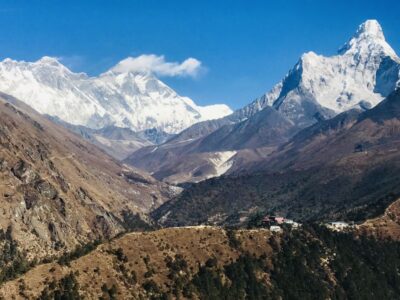
Landing Private Helicopter at Everest base camp & Gokyo for photo
Read our review →
Everest Base Camp Helicopter Tour with Stop at Everest View Hotel
Read our review →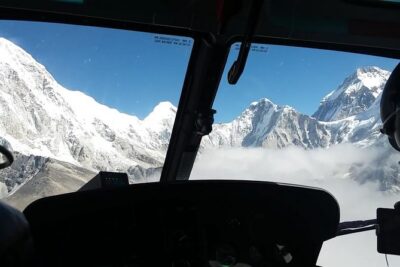
Everest Helicopter Tour from Kathmandu with Landing for Breakfast
Read our review →Other lists this flight appears in