
Review · KATHMANDU
Everest Base Camp Trek with Helicopter Flight Back
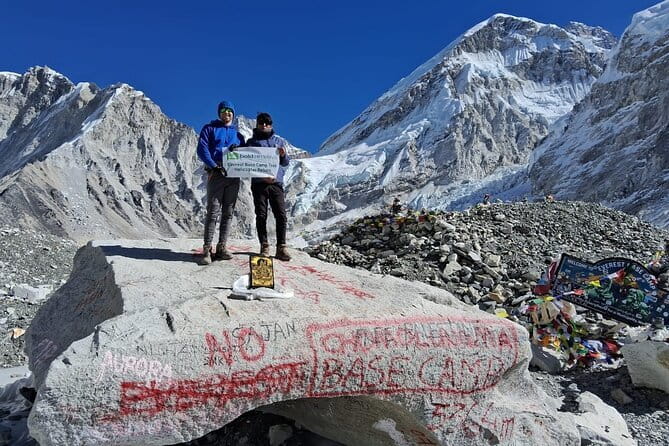
Everest Base Camp is the prize, but the helicopter return changes the shape of the journey. You still walk through Sherpa villages, cross suspension bridges, visit Tengboche, and reach 5,364 meters, then skip the long return route. I like the built-in acclimatization day in Dingboche, and I like that the package covers permits, meals, a guide, some cold-weather gear, and the domestic flight to Lukla.
The main catch is important: the helicopter flight from Gorak Shep to Kathmandu is not included in the listed price of $446.50. You should ask for its current cost before paying, since that extra charge can change the trip’s real value. You also need good fitness, patience with mountain weather, and flexibility for flight or lodge changes.
Key points at a glance
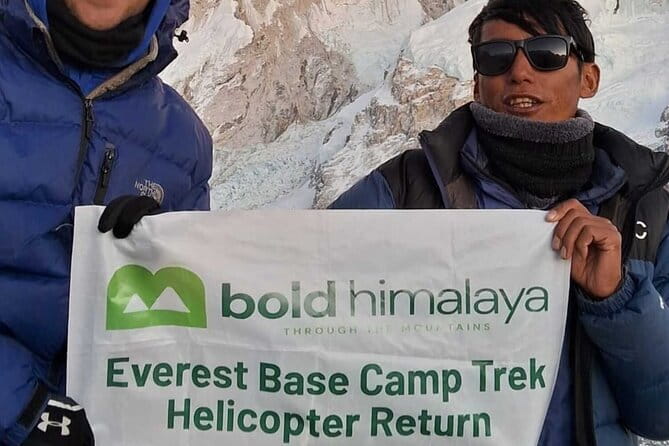
- A one-way Everest Base Camp trek: Walk the classic route toward Base Camp, then return by helicopter rather than retracing the trail.
- Acclimatization where it matters: Spend a rest and hiking day in Namche Bazaar, followed by another preparation day in Dingboche.
- A sunrise finish at 5,550 meters: The Kala Patthar climb gives you a final high point before the flight back.
- Useful equipment included: Sleeping bag, down jacket, trekking poles, and a duffle bag are supplied if needed.
- Meals and permits are covered: Breakfast, lunch, dinner, park fees, local fees, and TIMS are included during the trek.
- A private trip: Only your group participates, with pickup at Tribhuvan Airport and an evening briefing in Kathmandu.
Why the helicopter return changes the trek
The standard Everest Base Camp route requires walking back after reaching Gorak Shep. That return takes several days and repeats much of the same trail. Here, you use those days for a helicopter flight, giving you a shorter trip with a dramatic aerial view of the Khumbu area.
This is not a soft adventure. You still climb to very high altitude on foot, sleep in mountain lodges, and face long walking days. The helicopter saves time and reduces the physical load of the return, but it does not remove the hard part of going up.
It also adds a planning issue. The listed $446.50 rate does not include the helicopter from Gorak Shep to Kathmandu. The package includes the guide, domestic flight to Lukla, food, permits, some gear, and Kathmandu transport, but the most distinctive feature of the trip carries a separate charge. Get that price in writing before you compare this tour with a standard trek.
More Himalaya Helicopter Flights around Kathmandu:
- Everest Base Camp Helicopter Tour landing at Everest View Hotel
★ 5.0 · 668 reviews - Everest Base Camp Helicopter Tour landing at Hotel Everest View
★ 5.0 · 218 reviews - Everest Base Camp Trek with Helicopter Return from Gorakshep to Lukla
★ 5.0 · 161 reviews
Day 1: Kathmandu arrival and a useful briefing
Pickup begins at Tribhuvan Airport. You are taken to your hotel, listed as Hotel Thrive or a similar category, with one night in a twin-sharing room and breakfast included.
The evening briefing is more useful than it sounds. This is when you can clarify the Lukla flight plan, check the gear provided, and ask how weather changes will be handled. A trip at this altitude benefits from clear answers early, especially about the helicopter cost, porter arrangements, and what happens if flights move.
The package also includes a cultural show and dinner in Kathmandu. It is a short introduction to Nepal before the mountain days begin, not a replacement for time in the villages along the route.
Day 2: Lukla to Phakding through the first mountain scenery
The domestic flight from Kathmandu to Lukla is one of the trip’s memorable transitions. You leave the city and arrive at a small mountain airport, then begin walking downhill toward Phakding.
The first day lasts about four hours. The route passes through alpine forest and gives you an easy introduction to the walking rhythm. That downhill start may feel gentle, but you should not race it. Your body is still adjusting, and saving energy now matters later.
The flight may operate from Ramechhap instead of Kathmandu according to the schedule and conditions. That detail can affect your ground transport plan, so ask about the departure airport before the trip begins.
Day 3: Suspension bridges and the climb to Namche Bazaar
From Phakding, you walk for about six hours toward Namche Bazaar. The trail follows the Dudh Koshi River and crosses suspension bridges, with Sherpa villages and mountain scenery along the way.
This is the first day that feels like a serious trek. The route gains height toward Namche, so a steady pace is more useful than speed. Your guide should set the rhythm and help you manage breaks, water, and the early signs of altitude trouble.
Namche is a natural stopping point because it combines mountain access with shops, lodges, and local cultural sites. It is also where the schedule begins to protect you from gaining altitude too quickly.
More Heli-Hikes around Kathmandu:
- Everest Base Camp Trek with Helicopter Return to Lukla – 10 Days
★ 5.0 · 34 reviews - Everest Base Camp Trek with Helicopter Return -11 Days
★ 5.0 · 12 reviews - Helicopter Return Everest Base Camp Trek, KTM-LUKLA & Gorakshep-KTM by Heli
★ 5.0 · 9 reviews - Everest Base Camp Trek with Helicopter Return – 10 Days
★ 5.0 · 9 reviews
Day 4: Namche rest day and Everest View Hotel
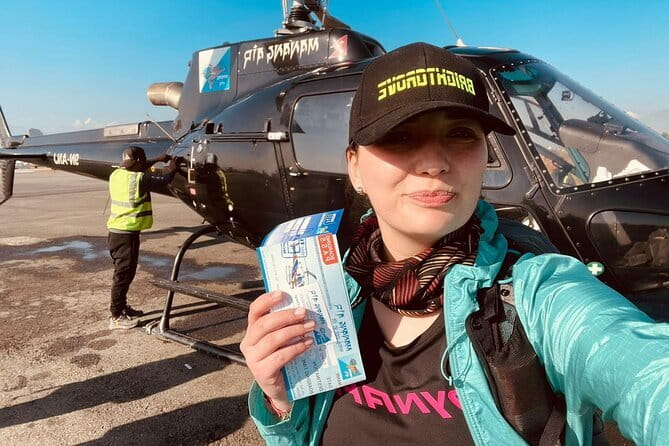
You do not spend this day lying flat. The plan includes a hike to the Everest View Hotel, with panoramic views of Mount Everest and the surrounding peaks. The walk helps your body adjust while giving you a first major mountain outlook.
You also have time to explore Namche and visit the Sherpa Museum. That makes the day more than a health break. You get context about the people, climbing culture, and high mountain life that shape the route.
The day lasts about five hours. It is a good example of why the schedule is not simply a race to Base Camp. The stops in Namche and Dingboche are essential parts of the trip, not wasted time.
Day 5: Tengboche and its famous monastery
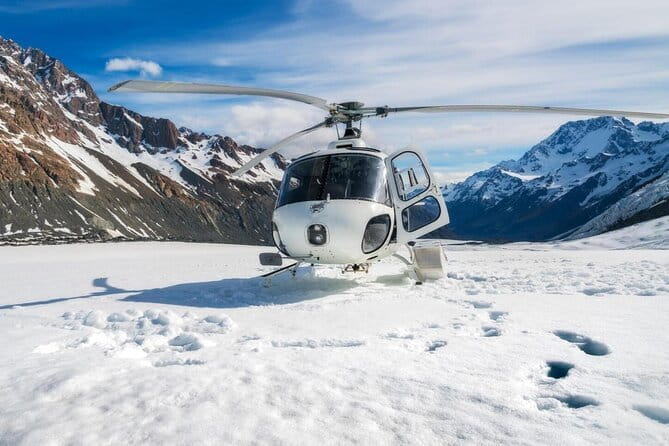
The trail continues to Tengboche, usually written as Tyangboche in some schedules. The walk takes about six hours and includes lunch at Phungi Thanga before the climb onward.
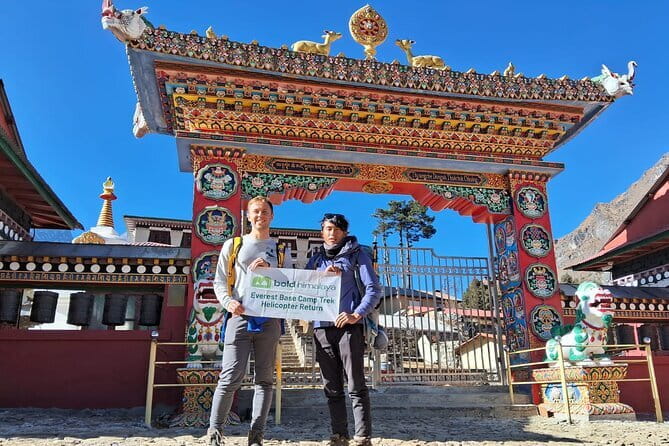
Tengboche is one of the route’s cultural highlights. The monastery gives the day a sense of place, while views toward Everest and Lhotse keep the mountain drama front and center. You are walking through rhododendron forest and high Sherpa country, not just ticking off distances.
The scenery is impressive, but the day includes real climbing. A moderate fitness level is the stated minimum, and I would treat that as a serious guideline rather than a casual suggestion.
Day 6: Pangboche, Somare, and Dingboche
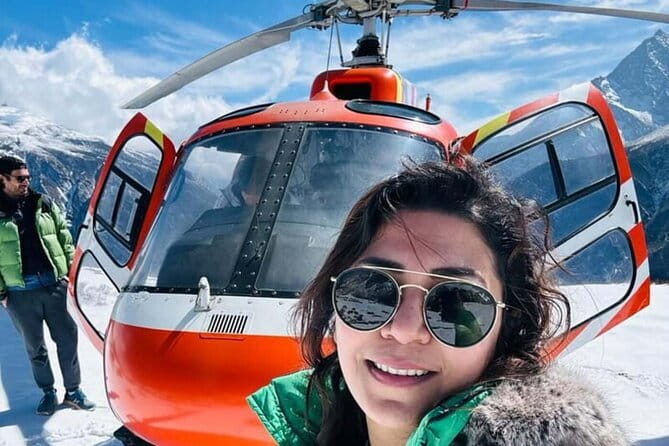
You cross a suspension bridge over the Imja Khola and continue through rhododendron forest and villages including Pangboche and Somare. After about six hours, you reach Dingboche.
Dingboche sits higher and feels more exposed than the lower villages. The day’s value is not only the view. It moves you into the altitude zone where careful pacing and the next acclimatization day become especially important.
Your guide’s role matters here. The package covers the guide’s salary, insurance, food, and accommodation, so you are not expected to manage the route alone. Porters are not included, however, which is a cost and planning point you need to address before departure.
Day 7: Dingboche acclimatization and Nagarjun Peak
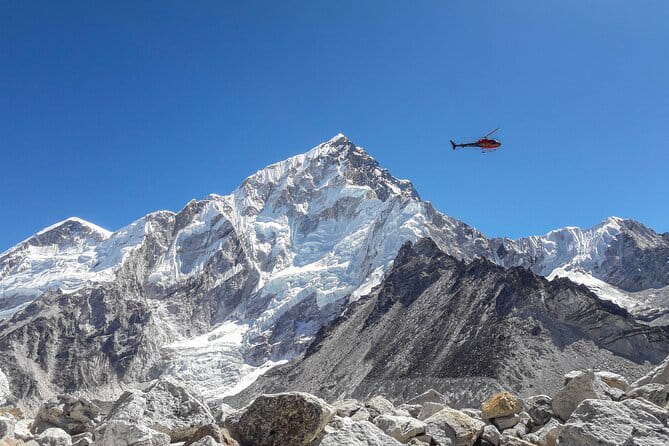
The second preparation day includes a hike in the Dingboche Valley and an ascent toward Nagarjun Peak. The walk lasts about five hours and offers broad views in several directions.
This is one of the strongest parts of the plan. A high-altitude trek needs extra time for your body to adjust, and this active rest day lets you gain height during the day before sleeping at Dingboche again. It is more useful than simply adding another short walking day.
Do not treat the peak hike as an optional sightseeing stroll. At this elevation, even a moderate climb can feel demanding. Keep your pace slow, follow the guide’s advice, and use the day to judge how you are responding before the trail rises higher.
Day 8: Thukla Pass and Lobuche at 4,940 meters
The trail reaches Lobuche after about six hours. You pass through Thukla Pass, where memorials honor climbers who died in the Himalayas.
This section adds emotional weight to the trek. The memorials make the risks of high-altitude climbing clear, even for people walking only to Base Camp. You also get closer views of glaciers and the high peaks around the Khumbu area.
Lobuche, at about 4,940 meters, is a demanding overnight stop. Cold, thin air, and basic lodge conditions can make sleep difficult. The supplied sleeping bag and down jacket are practical inclusions here. You can use your own equipment instead, but the company says these items are available if needed and can be returned after the trek.
Day 9: Everest Base Camp and a night at Gorak Shep
You walk to Gorak Shep, listed at about 5,170 meters, leave your gear, and continue to Everest Base Camp at approximately 5,364 meters. The walking day lasts around seven hours.
The route brings you close to the Khumbu Icefall, one of the defining sights of the Everest climbing region. Reaching Base Camp is a major physical milestone, though the famous summit view is not necessarily the same from Base Camp itself. The day is about the journey to the foot of the climbing route, the ice, the altitude, and the sense of arrival.
You return to Gorak Shep for the night. This is likely to be the toughest sleep of the trip because of the elevation and basic mountain lodging. Keep expectations practical. The package promises meals and accommodation through the trekking program, not hotel comfort at 5,170 meters.
Day 10: Kala Patthar at sunrise, then the flight south
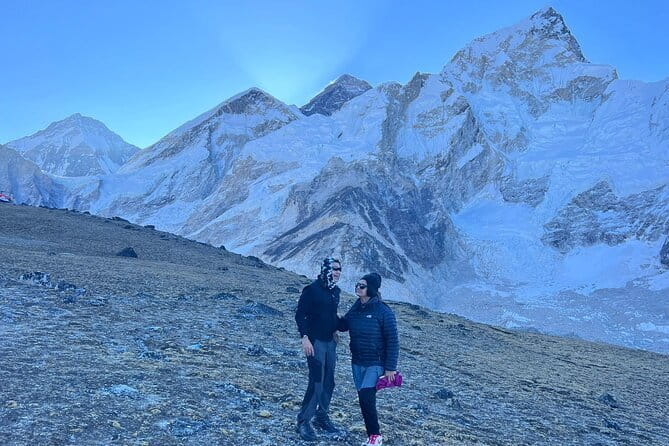
The final morning begins early with a hike to Kala Patthar, at about 5,550 meters. This is the highest point on the schedule and the place to seek sunrise views over Everest and the surrounding peaks.
The climb is short in hours, listed at about three hours including the return and flight arrangements, but altitude makes every step count. Kala Patthar often provides a clearer broad view of Everest than Base Camp, so this early start is worth taking seriously.
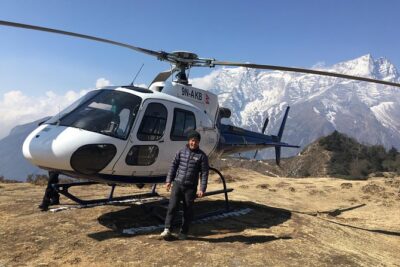
After returning to Gorak Shep, you board a helicopter for Kathmandu. The flight gives you a quick aerial look at the route you have just walked and removes the need to spend several more days descending on foot.
Weather is a real factor. The experience requires suitable conditions, and poor weather can lead to a different date or a full refund. Mountain flights can also shift plans, so keep your wider Nepal schedule flexible.
What the $446.50 price really covers
At $446.50 per person, the base price looks attractive for a private 10-day program at Everest Base Camp. It includes the Kathmandu airport pickup, one Kathmandu hotel night with breakfast, the Kathmandu to Lukla flight or the Ramechhap to Lukla arrangement, private transportation, trekking guide, permits, TIMS, and meals during the walking section.
Food coverage is clear: nine breakfasts, eight lunches, and eight dinners. The company also supplies some seasonal fruit and dry nuts, along with a duffle bag, cap, trip certificate, trekking poles, sleeping bag, and down jacket if needed.
The price does not include international flights, travel insurance, porter service, tips, desserts, bar bills, or the helicopter flight from Gorak Shep to Kathmandu. That last item is the key calculation. Add it to the advertised rate before deciding if this is better value than a longer trek with a standard return.
The private format can be valuable if you want your own group rather than a mixed party. It may also make pacing and communication easier. Group discounts are offered, so larger private groups should ask how the per-person price changes.
Guides, comfort, and the human side of the trip
The company assigns an experienced trekking guide and covers the guide’s basic costs. Names in the available trip feedback include Surendra as a guide and Doma Ghale as a porter, but you should confirm your own team before departure rather than assume either person will be assigned.
A manager named Sobit is also identified in the booking experience, with careful email communication noted. Use that contact before the trek to get direct answers about the helicopter supplement, flight disruptions, porters, and room arrangements.
Lodging is not described in detail beyond the Kathmandu hotel and mountain accommodation. Direct feedback highlights hot water and comfortable stays during one difficult period, including changes caused by weather and unexpected conditions. That is encouraging, but mountain lodge standards can vary, so pack with simple facilities in mind.
Who should book this Everest trip?
I would recommend this program to someone who wants the classic Base Camp walk but has limited time for the return. It suits you if the views, altitude challenge, and Sherpa villages matter more than spending extra days on the descent.
It is also a good fit for a private group that wants a set guide and included meals, permits, and basic equipment. Couples are clearly within the intended market, and the package can work for groups using the discount option.
I would be cautious if you need a fixed schedule, dislike basic mountain lodging, or have not prepared for long days at altitude. The helicopter is weather dependent and costs extra. You also need to arrange your own porter if you do not want to carry your main bag.
Should you book it?
Book this trek if you want the essential Everest Base Camp route, have roughly 10 days, and value a fast return more than the lower cost of walking back. The acclimatization days, Kala Patthar sunrise, included permits and meals, and private format give the trip a sensible structure.
Before booking, ask Bold Himalaya for the exact helicopter price, the name and experience of your guide, the porter cost, and the plan for Kathmandu or Ramechhap flights. If the added helicopter fee fits your budget and you can handle high altitude, this is a practical way to reach Base Camp without repeating the trail home.
FAQ
How long does the Everest Base Camp trek with helicopter return take?
The experience lasts approximately 10 days, including arrival in Kathmandu, the trek to Everest Base Camp, the Kala Patthar hike, and the helicopter return.
Where does the experience begin?
It begins with pickup at Tribhuvan Airport in Kathmandu, Nepal.
Is the helicopter flight included in the $446.50 price?
No. The helicopter flight from Gorak Shep to Kathmandu is listed as an additional cost.
What flights are included?
The domestic flight according to the route is included, from Kathmandu to Lukla or from Ramechhap to Lukla, depending on the arrangement.
Is this a private tour?
Yes. Only your group participates in the activity.
What meals are included?
The package includes nine breakfasts, eight lunches, and eight dinners during the program.
Is a porter included?
No. Porters are not included, so you need to arrange and pay for porter service separately if required.
What trekking equipment is supplied?
A sleeping bag, down jacket, trekking poles, duffle bag, and cap are supplied. The sleeping bag, down jacket, and trekking poles can be returned after the trek.
What happens if bad weather stops the experience?
If poor weather causes cancellation, you are offered a different date or a full refund. Changes made less than 24 hours before the start time are not accepted, and cancellations made at least 24 hours in advance qualify for a full refund.
Fresh on the helipad around Kathmandu
- Guaranteed Landing at Everest Base Camp Kalapathar by Helicopter★ 5.0 · 38 reviews
- Day Tour to Everest Base Camp By Helicopter★ 5.0 · 16 reviews
- Everest Base Camp Helicopter Tour with Hotel Everest View Landing★ 5.0 · 52 reviews
- Kathmandu To Lukla By Helicopter Flight★ 5.0 · 6 reviews
- Mount Everest Helicopter Tour with Landings★ 5.0 · 2 reviews
- Langtang Helicopter Tour★ 5.0 · 6 reviews
- Mount Everest Scenic Helicopter Tour★ 5.0 · 6 reviews
- Day Tour to Everest Base Camp By Helicopter from Kathmandu group sharing flight★ 5.0 · 16 reviews
Kathmandu Helicopter Tours, compared.
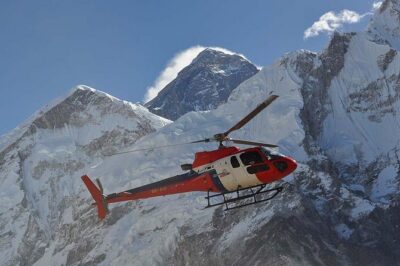
Everest Base Camp Helicopter Tour landing at Everest View Hotel
Read our review →Everest Base Camp Trek with Helicopter Return from Gorakshep to Lukla
Read our review →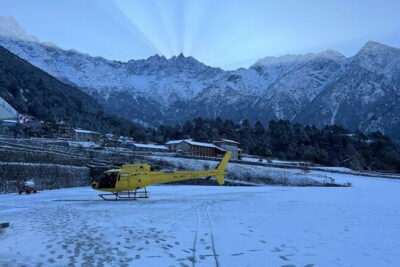
Everest Base Camp helicopter tour with landing
Read our review →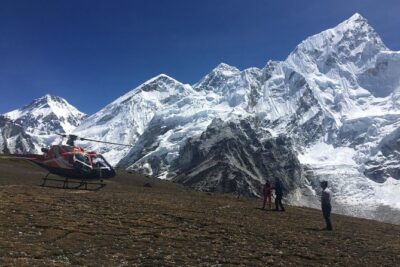
Guaranteed Landing at Everest Base Camp Kalapathar by Helicopter
Read our review →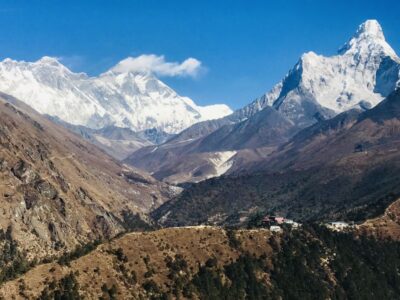
Landing Private Helicopter at Everest base camp & Gokyo for photo
Read our review →
Everest Base Camp Helicopter Tour with Stop at Everest View Hotel
Read our review →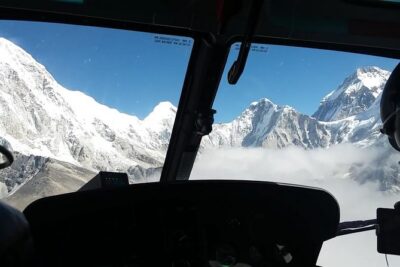
Everest Helicopter Tour from Kathmandu with Landing for Breakfast
Read our review →Other lists this flight appears in