
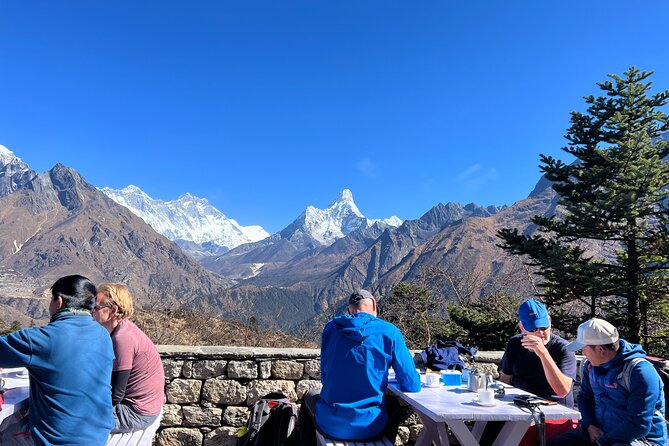
Review · KATHMANDU
Everest Base Camp Trek with Helicopter Return -11 Days
Everest Base Camp in 11 days is a serious high-altitude walk with a clever shortcut at the end. You hike up through Sherpa villages, spend time at Namche Bazaar and Dingboche to adjust to the thin air, reach Base Camp and Kala Patthar at 5,545 meters, then trade the long walk back for a helicopter flight to Kathmandu.
I like two things right away. First, the helicopter return saves several hard trekking days and gives you a dramatic aerial view of the Khumbu region. Second, the plan includes two acclimatization days, a porter for every two clients, meals, permits, and lodge accommodation. The catch is simple: this is still a demanding altitude trek, and 11 days leaves less room than the classic 14 or 15-day route.
- Kala Patthar at sunrise: The highest point on the schedule gives you the clearest stated viewpoint toward Everest and neighboring peaks.
- Two acclimatization stops: You spend an adjustment day in Namche Bazaar and another in Dingboche.
- Helicopter return: After Base Camp and Kala Patthar, you avoid the full downhill walk to Lukla.
- Strong guide reputation: Prakash Adhikari, Dikpal, and Bhagwat Simkhada are named in especially warm feedback about planning, safety, and support.
- A practical package: Flights, permits, meals, tea-house stays, a duffle bag, porter support, and airport transfers are included.
- Private group format: Only your own group takes part, though the return helicopter is shared.
The appeal of reaching Everest Base Camp in 11 days
The main attraction is efficiency. A standard Everest Base Camp walk usually takes about two weeks or more on foot because you need time to gain altitude slowly and then retrace the route. This version removes much of the return journey. You still get the important villages and mountain stops, but you spend less time walking downhill.
That makes the trip useful if you have limited holiday time or do not want to spend another four or five days repeating the trail. The helicopter is not just a luxury ride. It also reduces the chance that tired legs, sore knees, or a delayed flight from Lukla will spoil the end of your trip.
You should not mistake the shorter schedule for an easier one. The itinerary rises from Lukla at 2,860 meters to Gorakshep at 5,160 meters, with Kala Patthar reaching 5,545 meters. At that height, a moderate walk can feel like a serious effort. Your guide’s judgment, your pace, and your response to altitude matter more than speed.
Day 1 in Kathmandu, a useful soft landing
Your trip begins with airport pickup at Tribhuvan Airport and a private transfer to the hotel. Two nights in a three-star Kathmandu hotel are included, with breakfast.
The first night is more than a place to sleep. It gives you a buffer before the mountain flight and a chance to meet the guide, check gear, and receive trek information. The operator also provides a duffle bag for the trek and a company T-shirt.
The package includes the required TIMS permit and Khumbu Valley fees, along with other paperwork. That is useful because permits and transport details can become a nuisance when you are trying to prepare for an early mountain departure.
More Himalaya Helicopter Flights around Kathmandu:
- Everest Base Camp Helicopter Tour landing at Everest View Hotel
★ 5.0 · 668 reviews - Everest Base Camp Helicopter Tour landing at Hotel Everest View
★ 5.0 · 218 reviews - Everest Base Camp Trek with Helicopter Return from Gorakshep to Lukla
★ 5.0 · 161 reviews
Day 2, Lukla to Phakding and the first mountain miles
The morning starts early, with a stated start time of 6:00 am. You fly from Kathmandu to Lukla at 2,860 meters, or use the Ramachap to Lukla flight arrangement if operations require it.
From Lukla, the walk to Phakding takes about three to four hours. At 2,610 meters, Phakding is lower than Lukla, so this first day is a gentle introduction rather than a huge altitude push. You have lunch and dinner included, along with breakfast.
The value of this short opening walk is that you begin adjusting without trying to prove anything. Keep your pace easy. Your goal is not to arrive first. It is to arrive feeling capable of doing the same thing tomorrow.
Day 3, the climb to Namche Bazaar
The six to seven-hour walk from Phakding to Namche Bazaar is the first proper test. Namche sits at 3,446 meters and is built into a steep bowl of hillsides. This is where the route begins to feel like a high mountain trek rather than a village walk.
Namche is a key supply and rest center for the Everest region. You will have time to settle into the lodge, eat, and prepare for the next stage. The trail gets steeper as you approach town, so a slow rhythm pays off.
This is also where the included guide and porter support become important. One porter is assigned for every two clients, which lets you carry a daypack rather than your full load. Pack only what you need for the day: water, warm layers, sun protection, snacks, and personal essentials.
Day 4, acclimatizing around Namche and Khumjung
The first acclimatization day includes a visit to Khumjung Village and the Hotel Everest View at 3,880 meters. The point is not simply to rest in bed. A short climb followed by a return to Namche helps your body begin adjusting to altitude.
Khumjung gives you a quieter village setting than Namche, while the Hotel Everest View is included for its mountain outlook. The day also breaks up the steep gain between Phakding and Tengboche.
Altitude can affect people differently, so use this day honestly. If you have a headache, nausea, unusual tiredness, or trouble breathing, tell your guide. The company says travel and rescue arrangements are included, and a first aid kit is available, but you still need to speak up early.
More Heli-Hikes around Kathmandu:
- Everest Base Camp Trek with Helicopter Return to Lukla – 10 Days
★ 5.0 · 34 reviews - Helicopter Return Everest Base Camp Trek, KTM-LUKLA & Gorakshep-KTM by Heli
★ 5.0 · 9 reviews - Everest Base Camp Trek with Helicopter Return – 10 Days
★ 5.0 · 9 reviews - Everest Base Camp trek with Helicopter return 9 days
★ 5.0 · 8 reviews
Day 5, forest paths and Tengboche Monastery
The walk from Namche to Tengboche takes five to six hours, ending at 3,860 meters. The route passes through rhododendron and juniper forest, with open mountain views appearing along the way.
Tengboche is best known for its monastery, described here as the largest in the Everest region. It is an important cultural stop, not just an overnight point. Give yourself time to look around and absorb the setting rather than treating the monastery as a quick photo stop.
The day is not all easy walking. There are uphill and downhill sections, and altitude makes every climb feel longer. Still, Tengboche gives the journey a strong sense of place. You are moving through Sherpa communities, Buddhist culture, and a route shaped by expeditions for decades.
Day 6, Tengboche to Dingboche
The five to six-hour walk to Dingboche climbs to 4,360 meters. The route is described as relatively steep and continues through rhododendron and juniper areas before opening into higher, more exposed country.
Dingboche is one of the most important stops in the schedule because it marks a clear change in conditions. Nights are colder, the air is thinner, and your body has less room for careless pacing. The lodge stay includes meals, but bottled water, coffee, tea, hot showers, battery charging, laundry, and bar bills are personal expenses.
For comfort, carry some Nepalese cash for these extras. The package covers the main meals, but it does not mean every drink or service at the lodge is included.
Day 7, the second acclimatization day
The second acclimatization day is spent in Dingboche at 4,360 meters. This is valuable timing. You have already gained a lot of height, and the next two walking days take you close to 5,000 meters and beyond.
Use the day for gentle movement and rest. The schedule does not specify a separate excursion, so do not assume a particular side trip is included. Ask your guide what is sensible for your group and how conditions look.
The guide team is one of the strongest parts of this package. Prakash Adhikari is repeatedly praised for keeping safety first, handling mountain situations, and supporting the group. Dikpal is also singled out for being considerate, helpful, and well informed. Names matter here because good high-altitude guiding is practical: watching pace, noticing symptoms, and making sound decisions.
Day 8, the long climb to Lobuche
The walk from Dingboche to Lobuche takes five to six hours and reaches 4,910 meters. This is a demanding day because the altitude is now high enough to affect even fit people.
Lobuche is a staging point for the final push to Base Camp. Expect a quieter, colder evening and a greater need to conserve energy. Eat what you can, drink regularly, and organize your clothing before bed so the morning is simple.
The tour asks for a moderate fitness level, but that phrase should not mislead you. You need to be comfortable walking for five to seven hours on successive days, often on steep or uneven ground. Fitness helps, but acclimatization remains essential.
Day 9, Everest Base Camp and Gorakshep
Day 9 is the emotional center of the trek. You walk from Lobuche to Everest Base Camp at 5,360 meters, then continue to Gorakshep at 5,160 meters. The full day takes about six to seven hours.
Base Camp itself is a major achievement, but the view of Everest from Base Camp is not necessarily the most open one. The route’s later stop at Kala Patthar is designed to provide the stronger mountain panorama. Base Camp is about standing at the foot of the expedition route and seeing the glacier environment up close.
Gorakshep is the highest overnight point in the main schedule. By now, you may feel tired even if you are physically strong. Keep the evening quiet and follow your guide’s advice. The purpose of the next morning is not a leisurely stroll. It is an early climb to the best viewpoint of the trip.
Day 10, Kala Patthar and the helicopter to Kathmandu
The final mountain morning takes you from Gorakshep to Kala Patthar at 5,545 meters. The walk takes three to four hours and is the highest point on the trip.
Kala Patthar is the place for broad views of Everest and other major peaks. The climb is short compared with the earlier days, but altitude makes it slow. This is where warm clothing, gloves, a hat, and good sun protection matter most.
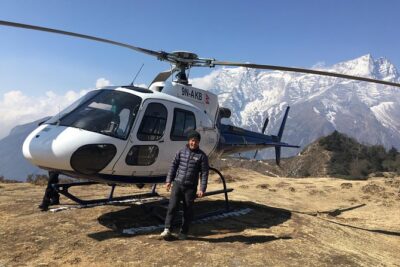
After the viewpoint, you return by helicopter to Kathmandu. The inclusions describe the flight as a shared helicopter from Gorakshep to Kathmandu. The daily plan says you fly back after Kala Patthar, so confirm the exact pickup point, timing, and weather procedure before departure.
The helicopter depends on safe flying conditions. If poor weather cancels the flight, the stated policy offers a different date or a full refund for the canceled experience. In practical terms, keep some flexibility in your wider Nepal plans. Mountain weather can change quickly.
Day 10 includes breakfast and dinner, with the final dinner held at an authentic Nepalese restaurant with cultural performance. That gives the trip a pleasant finish after the high-altitude effort.
Day 11, departure from Kathmandu
The last day includes breakfast and airport departure. Since the helicopter return is scheduled for Day 10, this final morning gives you a little breathing room before your flight.
Airport transfer is included at the start, but confirm the departure transfer details with the operator. The published information says pickup and transfer services are provided, and the activity ends back at the meeting point.
What the $3,500 price really covers
At $3,500 per person, this is not a budget trek. The price makes more sense when you add up the costly parts: Kathmandu hotel nights, Lukla flights, a helicopter return, permits, lodge accommodation, three daily meals during the trek, guide and porter services, airport pickup, paperwork, and rescue arrangements.
The helicopter is the main value difference from a regular Base Camp trek. You pay more, but you remove several days of walking back and gain an aerial return. If your time is limited, that may be worth more than saving money on a longer standard route.
The price does not cover travel and rescue insurance, bottled water, coffee, tea, laundry, hot showers, charging, phone calls, bar bills, extra porters, or tips. Solo guests or groups with an odd number may also face an extra fee, so ask for the final single supplement before paying.
Who should book this trek
I would choose this trip if you want the full Everest Base Camp approach but have only 11 days, or if you strongly prefer not to walk the same route down. It also suits people who value organized support, private group travel, and a clear package of permits, meals, porters, and transport.
I would not choose it simply because it sounds faster and easier. You still face several long days, high altitude, cold conditions, and a demanding final climb. If you want a slower adjustment schedule or more spare days for weather, a longer itinerary may be the wiser choice.
The operator’s strongest pattern is personal support. Bhagwat Simkhada is praised for planning and quick solutions, while Prakash Adhikari is repeatedly named for safety, humor, mountain knowledge, and care. That kind of steady help can make a real difference when the trek becomes tiring.
Practical details before you pay
The activity is private, so only your group participates in the trek. The helicopter return is listed as shared, which means the mountain flight is not necessarily private to your party.
Confirmation is provided at booking. Cancellation is free up to 24 hours before the start time for a full refund. Changes or cancellations inside 24 hours are not accepted for a refund under the stated terms.
Plan around the 6:00 am start and keep your first Kathmandu day organized. Pack light enough for the porter arrangement, but bring reliable warm layers and personal altitude essentials. The operator provides a duffle bag, but you should confirm its size and any baggage limits before flying to Lukla.
Should you book the Everest Base Camp helicopter return?
Book it if you want the classic Everest route highlights, a strong guide and porter setup, and a helicopter exit that saves time. The included acclimatization days, Kala Patthar viewpoint, and final flight give the trip a good balance of achievement and convenience.
Think twice if your priority is the lowest price or the gentlest possible schedule. At $3,500, this is a premium version of the trek, and the altitude remains very real. For a fit walker with limited time who accepts the cost and prepares properly, it is a focused way to reach Base Camp without spending another week retracing the trail.
FAQ
How long does the Everest Base Camp trek with helicopter return take?
The experience lasts approximately 11 days. You arrive in Kathmandu on Day 1, trek from Lukla to Everest Base Camp, climb Kala Patthar, fly back to Kathmandu on Day 10, and depart on Day 11.
What is the highest point on the trek?
Kala Patthar is the highest point listed, at 5,545 meters. Everest Base Camp is listed at 5,360 meters, and Gorakshep at 5,160 meters.
Is the helicopter flight private?
No. The included flight from Gorakshep to Kathmandu is described as a shared helicopter flight. The trekking activity itself is private to your group.
Are meals included?
Breakfast, lunch, and dinner are included during the trek. Breakfast is included at the Kathmandu hotel, and Day 10 includes breakfast and dinner. Bottled water, coffee, and tea are not included.
Is travel insurance included?
No. Travel and rescue insurance is not included, so you need to arrange it separately.
What happens if bad weather cancels the helicopter?
The experience requires good weather. If poor weather causes cancellation, you are offered a different date or a full refund under the stated policy.
Fresh on the helipad around Kathmandu
- Guaranteed Landing at Everest Base Camp Kalapathar by Helicopter★ 5.0 · 38 reviews
- Day Tour to Everest Base Camp By Helicopter★ 5.0 · 16 reviews
- Mount Everest Helicopter Tour with Landings★ 5.0 · 2 reviews
- Everest Base Camp Helicopter Tour with Hotel Everest View Landing★ 5.0 · 52 reviews
- Kathmandu To Lukla By Helicopter Flight★ 5.0 · 6 reviews
- Langtang Helicopter Tour★ 5.0 · 6 reviews
- Mount Everest Scenic Helicopter Tour★ 5.0 · 6 reviews
- Everest Base Camp Tour & View Point by Helicopter from Katmandu★ 5.0 · 3 reviews
Kathmandu Helicopter Tours, compared.
Everest Base Camp Helicopter Tour landing at Everest View Hotel
Read our review →Everest Base Camp Trek with Helicopter Return from Gorakshep to Lukla
Read our review →
Everest Base Camp helicopter tour with landing
Read our review →
Guaranteed Landing at Everest Base Camp Kalapathar by Helicopter
Read our review →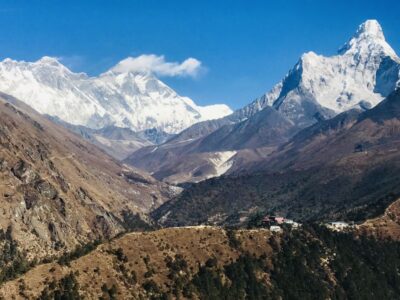
Landing Private Helicopter at Everest base camp & Gokyo for photo
Read our review →
Everest Base Camp Helicopter Tour with Stop at Everest View Hotel
Read our review →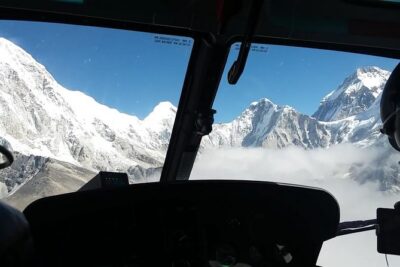
Everest Helicopter Tour from Kathmandu with Landing for Breakfast
Read our review →Other lists this flight appears in